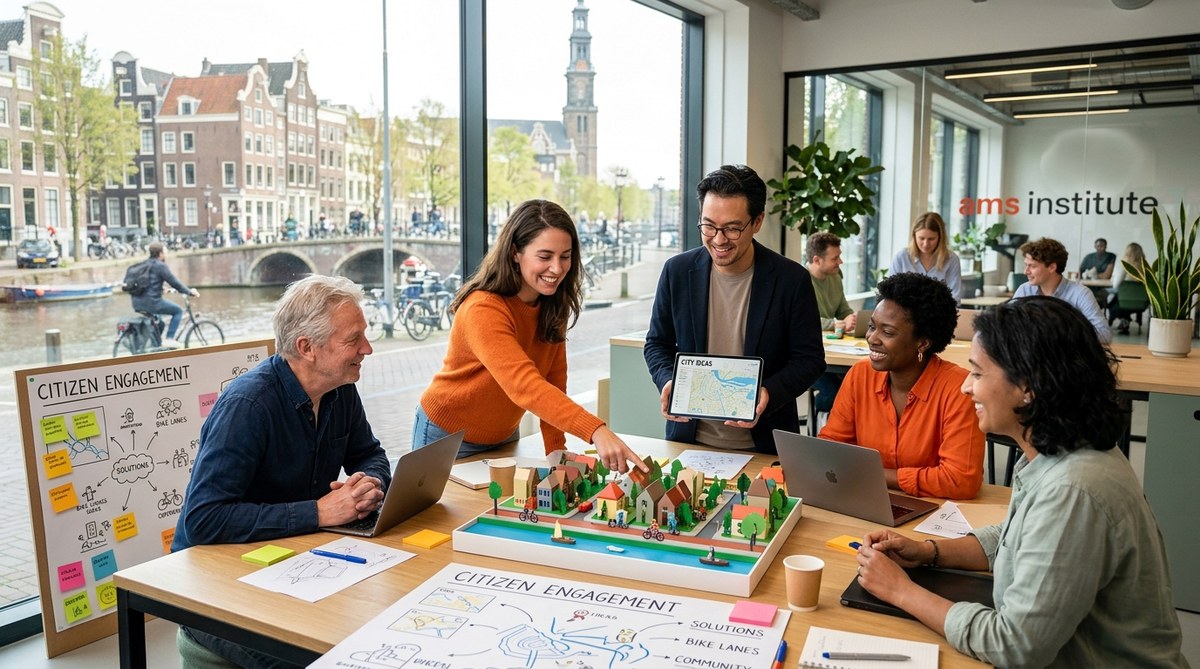
Engaging citizens in shaping their city is no longer just a good idea. In Amsterdam, it has become a central pillar of urban development and innovation in 2026. The city’s approach to involving residents in decision-making processes is transforming how urban spaces evolve, making them more sustainable, inclusive, and responsive. This proactive participation is helping Amsterdam stay at the forefront of smart city initiatives and sustainable growth.
Amsterdam’s citizen engagement is a key driver of urban innovation, fostering sustainable development, inclusivity, and smarter city planning. Practical methods and successful projects offer valuable insights for cities aiming to involve residents actively in urban growth in 2026.
How citizen participation fuels innovation in Amsterdam
Amsterdam’s commitment to involving its residents in urban planning has led to a wave of innovative projects that address climate change, mobility, and social cohesion. Citizens are no longer passive recipients of policy but active co-creators of their environment. This shift has been supported by a variety of tools, platforms, and strategies that facilitate meaningful engagement.
Practical steps for fostering citizen engagement in urban innovation
Implementing citizen participation effectively involves a clear process. Here are three practical steps that Amsterdam employs:
-
Create accessible channels for dialogue
Use digital platforms and physical spaces to invite residents to share ideas and feedback. Examples include online forums, social media campaigns, and neighbourhood workshops. -
Involve citizens in decision-making processes
Incorporate community input into planning phases. This can be through participatory budgeting, co-design sessions, or citizen panels. -
Act on feedback and communicate results
Show residents how their input influences urban policies. Transparency builds trust and encourages ongoing participation.
Techniques that boost citizen engagement and common pitfalls
Amsterdam employs several techniques to encourage participation:
- Interactive digital tools such as apps and online surveys.
- Participatory events like neighbourhood walks and hackathons.
- Community ambassador programmes that empower residents to act as local advocates.
However, common mistakes can hinder success:
| Technique | Mistake | Solution |
|---|---|---|
| Digital engagement | Low digital literacy among some residents | Offer training sessions and alternative offline methods |
| Feedback loops | Failing to show how citizen input influences decisions | Publish clear summaries and updates on project outcomes |
| Overcomplicating processes | Making participation too complex | Simplify procedures and provide guidance |
Case studies illustrating successful citizen engagement in Amsterdam
The Green Neighbourhood Initiative
Residents collaborated with urban planners to redesign local green spaces. Their input led to the creation of more accessible parks, fostering community bonding and biodiversity.
Smart Mobility Forums
Amsterdam organised monthly forums where citizens discussed and tested new mobility solutions like shared bikes and electric buses. These engagements helped tailor services to real needs, increasing usage and satisfaction.
Climate Action Committees
Local groups actively participate in climate strategies, from energy-saving campaigns to urban cooling schemes. Their involvement ensures policies are practical and widely accepted.
Techniques and mistakes in citizen engagement
Understanding the right methods and avoiding pitfalls is vital for success. Here is a simplified overview:
| Technique | Mistake | Solution |
|---|---|---|
| Crowdsourcing ideas | Ignoring minority voices | Ensure diverse outreach and inclusive platforms |
| Co-creation workshops | Limited accessibility | Schedule sessions at different times and locations |
| Digital surveys | Low response rates | Use multiple channels and incentivise participation |
Expert advice on fostering urban innovation through citizen involvement
“For citizen engagement to truly drive urban innovation, it must be authentic, transparent, and inclusive. When residents see tangible results from their input, they become lifelong partners in city development.” — Dr. Emily Carter, urban researcher
How Amsterdam’s innovative approach shapes the city’s future
The city’s ongoing efforts to involve residents are creating a culture of shared responsibility. This collaborative approach results in smarter, more resilient, and more sustainable urban spaces. It also attracts international attention, positioning Amsterdam as a leader in citizen-driven urban innovation.
Practical tips for other cities
- Cultivate trust through transparency and regular communication.
- Use technology as an enabler, not a replacement for face-to-face interaction.
- Recognise and celebrate citizen contributions to foster ongoing engagement.
Connecting citizen participation with broader urban goals
Amsterdam’s strategy aligns citizen involvement with larger objectives such as climate resilience, digital transformation, and social inclusion. This integrated approach accelerates progress and ensures initiatives are rooted in community needs.
Final thoughts: Embedding citizen engagement in urban growth
The future of urban development lies in meaningful participation. By actively involving residents, Amsterdam is creating a model for other cities to follow. Practical engagement methods, combined with a genuine commitment to listening, are shaping a city that is more liveable, sustainable, and innovative. Cities aiming to replicate this success should start by building trust, simplifying processes, and valuing every voice in the community.
A neighbourhood of possibilities for citizen-led innovation
Involving citizens is not just a trend but a necessity for sustainable and inclusive urban development. By adopting Amsterdam’s collaborative approach, city officials and planners can unlock new ideas and solutions that truly reflect local needs. The journey towards smarter, greener, and more resilient cities begins with each resident’s voice. Starting today, consider how your city can foster this culture of participation and innovation.
About the Author