Amsterdam is renowned for its rich cultural heritage and historic canals, but in 2026, it also stands out as a beacon of urban innovation. The city’s approach to integrating cutting-edge technology, community participation, and sustainable practices is redefining what it means to live and work in a modern metropolis. As cities worldwide face mounting challenges like climate change, congestion, and social inequality, Amsterdam’s forward-thinking strategies offer a blueprint for creating resilient, inclusive, and vibrant urban spaces.
Amsterdam’s commitment to urban innovation combines smart technology, community-driven projects, and sustainable design. This approach improves public spaces, reduces environmental impact, and fosters a more liveable city for all residents and visitors alike in 2026.
How urban innovation is transforming Amsterdam’s public spaces
Amsterdam’s urban landscape is constantly evolving, driven by a desire to enhance quality of life and ensure sustainability. Innovation initiatives include smart lighting systems, green infrastructure, and data-driven planning. These efforts aim to make public spaces more accessible, safe, and environmentally friendly.
The role of smart technology in creating liveable spaces
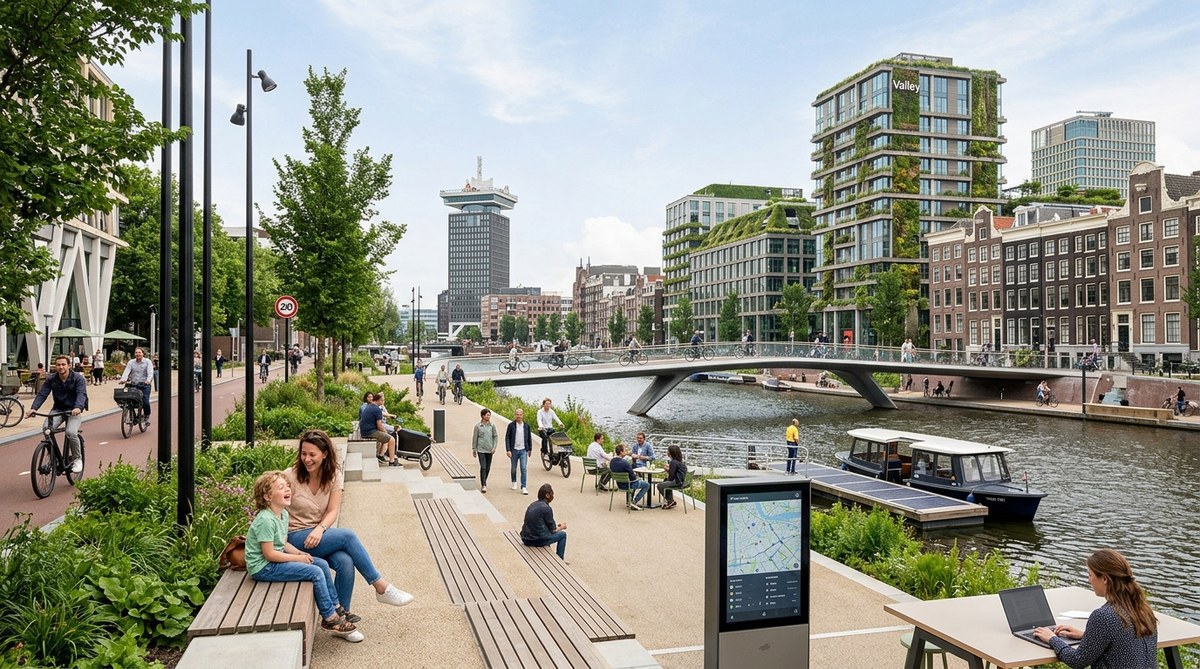
One of the most visible signs of urban innovation in Amsterdam is the deployment of smart infrastructure. For example, the city has installed intelligent lighting that adjusts based on foot traffic and weather conditions, significantly reducing energy consumption. Sensors embedded in public benches monitor usage patterns, helping planners optimise maintenance and improve user experience.
Meanwhile, digital platforms enable residents to report issues like broken streetlights or clogged drains directly, speeding up maintenance responses. The integration of data and technology enables the city to respond swiftly and effectively to urban challenges, making daily life smoother for residents.
Community-led innovation initiatives
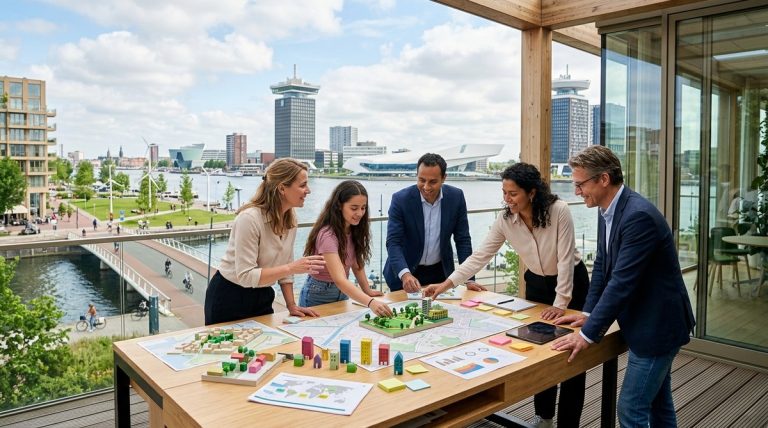
Community involvement remains central to Amsterdam’s approach. The city hosts living labs and participatory projects where residents can contribute ideas and feedback. These initiatives foster a sense of ownership and ensure that innovations meet local needs.
For instance, the Amsterdam Urban Lab project invites residents to co-create green spaces, experimenting with urban agriculture and eco-friendly materials. Such collaborative efforts lead to more inclusive, resilient public spaces that reflect the diverse needs of the community.
Sustainable design and ecological integration
Sustainability is woven into every aspect of urban innovation. Green roofs and walls now adorn many buildings, helping to reduce urban heat islands and improve air quality. The city’s extensive network of green corridors connects parks and neighbourhoods, supporting biodiversity and encouraging walking and cycling.
Water management also benefits from innovative solutions. Amsterdam’s innovative flood control measures include adjustable barriers and flood-resistant parks that double as water storage during storms. These measures safeguard the city while enhancing its aesthetic appeal.
Practical steps for implementing urban innovation in Amsterdam
Cities aiming to follow Amsterdam’s lead can consider these steps:
- Assess local needs and opportunities: Conduct surveys and gather data on residents’ priorities and urban challenges.
- Engage the community early: Involve residents, businesses, and organisations in planning and decision-making.
- Leverage technology wisely: Invest in smart infrastructure that aligns with environmental and social goals.
- Pilot projects and scale successful ideas: Test innovations in small areas before expanding citywide.
- Foster partnerships: Collaborate with universities, research institutions, and private companies to develop new solutions.
Key techniques and common mistakes
| Technique | What to do | Common mistake |
|---|---|---|
| Data-driven planning | Use sensors and analytics to inform decisions | Relying solely on technology without community input |
| Green infrastructure | Incorporate nature-based solutions | Overlooking maintenance and long-term sustainability |
| Participatory design | Involve residents in co-creating public spaces | Token participation without real influence |
| Pilot programmes | Test ideas on small scales first | Scaling up too quickly without evaluation |
As urban planning expert Dr. Lisa van den Berg notes, “Successful city innovation hinges on balancing technological advances with human needs and community engagement.” Her advice underscores the importance of listening to residents and integrating their insights into smart city solutions.
Techniques for successful urban innovation
- Use open data portals to share information transparently
- Encourage cross-sector collaboration among government, academia, and industry
- Prioritise ecological sustainability alongside technological advancements
- Monitor and evaluate projects regularly to refine approaches
The impact of innovation on Amsterdam’s residents
The benefits of urban innovation extend beyond aesthetics and infrastructure. Residents report improved wellbeing, increased safety, and a stronger sense of community. The city’s focus on equitable access ensures that all neighbourhoods benefit from these advancements.
Public spaces now promote active lifestyles and social interaction. Parks equipped with free Wi-Fi encourage outdoor working and learning. Improved lighting and safety measures have reduced crime rates in several districts.
Furthermore, Amsterdam’s green initiatives help combat climate change by reducing carbon emissions and enhancing urban resilience. The city’s water management innovations protect against flooding while creating attractive, multifunctional spaces.
How to inspire your city with Amsterdam’s example
Urban innovation in Amsterdam demonstrates that smart, sustainable cities are within reach. By adopting a strategic, inclusive approach, other metropolises can achieve similar results. Here are some practical pointers:
- Start with clear goals rooted in community needs
- Invest in technology that complements ecological and social objectives
- Foster partnerships for knowledge exchange and resource sharing
- Keep residents involved throughout the process
- Use pilot projects to test and refine ideas before scaling
Connecting innovation to a better urban future
Amsterdam’s journey shows that innovation is not just about new gadgets or technology. It’s about reimagining city life, making urban spaces more inclusive, sustainable, and enjoyable for everyone. As the city continues to evolve, its example encourages other urban centres to embrace change proactively.
By focusing on community participation, ecological integration, and smart technology, cities can create public spaces that are resilient and vibrant. The lessons learned from Amsterdam serve as a reminder that thoughtful, inclusive innovation can transform urban environments into better places to live, work, and play.
In embracing urban innovation, your city can unlock new possibilities and build a sustainable future that benefits all residents. The key is to start small, involve everyone, and keep an eye on long-term goals. Together, cities can become more adaptive, resilient, and human-centred in the face of rapid change.
About the Author