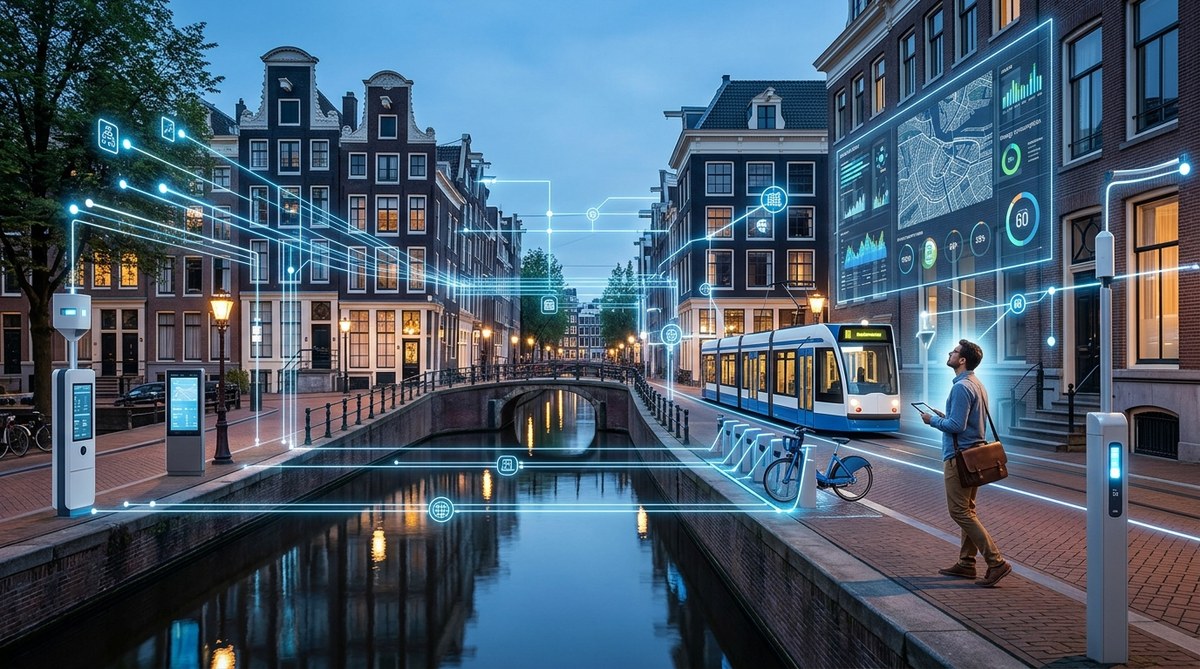
Amsterdam stands at the forefront of urban innovation. Its smart city initiatives are reshaping how residents, officials, and visitors experience the city. In 2026, Amsterdam’s approach to smart city technologies showcases a commitment to sustainability, efficiency, and community engagement. By integrating cutting-edge solutions into everyday life, the city sets a benchmark for urban development worldwide. Whether you are an urban planner, a technology enthusiast, or a student, understanding Amsterdam’s strategies offers valuable insights into building smarter, more liveable cities.
Amsterdam’s smart city technologies blend innovation with sustainability, fostering a city that is cleaner, more connected, and better equipped to meet future challenges through inclusive, data-driven solutions.
How Amsterdam is Leveraging Smart City Technologies
Amsterdam’s journey towards becoming a smart city began over a decade ago. Its initiatives focus on integrating technology into urban infrastructure to improve quality of life, reduce environmental impact, and enhance operational efficiency. Today, the city is deploying a variety of solutions that harness data, connectivity, and automation to create a more sustainable and resilient urban environment.
The Pillars of Innovation in Amsterdam
Amsterdam’s smart city strategy rests on several key areas:
– Mobility and transportation: Smarter traffic management and shared mobility options reduce congestion.
– Energy and sustainability: Smart grids and renewable energy projects lower carbon emissions.
– Public safety and health: IoT sensors and AI improve emergency responses and public health monitoring.
– Data-driven governance: Open data platforms enhance transparency and citizen participation.
Practical steps for implementing smart city tech in Amsterdam
- Identify key urban challenges: Focus on issues like traffic congestion, pollution, or energy waste.
- Engage stakeholders early: Collaborate with residents, businesses, and tech providers.
- Pilot innovative solutions: Start small with projects like smart lighting or waste management.
- Utilise data and AI: Invest in analytics to optimise city operations continuously.
- Scale successful initiatives: Expand proven solutions across districts for maximum impact.
Leading Technologies Powering Amsterdam’s Smart City
- Internet of Things (IoT): Sensors monitor air quality, traffic flow, and energy use.
- Artificial Intelligence (AI): AI algorithms predict maintenance needs and optimise traffic signals.
- Big Data analytics: Massive datasets inform policy decisions and improve service delivery.
- 5G connectivity: Faster networks support real-time data transfer and device communication.
- Digital platforms: User-friendly portals enable residents to access services and contribute ideas.
Practical Techniques and Common Mistakes
| Technique | What to Do | Common Mistake |
|---|---|---|
| Data integration | Combine datasets from various sources for comprehensive insights | Overlooking data privacy and security |
| Citizen engagement | Involve residents in planning and feedback | Ignoring local context and needs |
| Pilot projects | Test solutions on small scale before scaling | Rushing implementation without proper testing |
| Continuous monitoring | Use real-time data for adjustments | Relying solely on initial results |
| Open data platforms | Share information transparently | Lack of clarity on data governance |
“The success of smart city initiatives relies heavily on fostering trust and collaboration between technology providers, city officials, and residents,” advises urban innovation expert Dr. Lisa van den Berg. “Without community buy-in, even the most advanced solutions can fall short.”
Case Studies: Amsterdam’s Smart City Achievements
- Smart Lighting: Adaptive streetlights that dim or brighten based on pedestrian activity and natural light levels. This reduces energy consumption significantly.
- Waste Management: Sensor-enabled bins notify collection services when full, optimising routes and reducing unnecessary pickups.
- Mobility Innovation: Electric scooter and bike-sharing programmes integrated into public transport apps streamline commuting and cut emissions.
- Water Management: IoT sensors monitor water quality and flood risks, enabling swift responses during adverse weather events.
- Air Quality Monitoring: A network of sensors provides real-time air quality data accessible to citizens and policymakers alike.
Building a Smarter City, Step by Step
Implementing smart city technologies in Amsterdam involves a structured process. Here’s a practical guide:
- Assess urban needs: Conduct surveys and data analysis to pinpoint priority areas.
- Develop a clear strategy: Define goals, technology choices, and stakeholder roles.
- Secure funding and partnerships: Collaborate with private sector and EU initiatives.
- Pilot solutions: Use test beds for innovations like smart grids or mobility apps.
- Evaluate and expand: Learn from pilot outcomes and scale successful projects.
Key Challenges and How to Overcome Them
- Data privacy concerns: Ensure compliance with GDPR and involve citizens in discussions.
- High implementation costs: Seek funding from grants, public-private partnerships, and EU programmes.
- Technical integration: Adopt open standards for compatibility.
- Community acceptance: Prioritise transparency and education about benefits.
Techniques and Pitfalls to Watch Out For
| Technique | Why It Works | Mistake to Avoid |
|---|---|---|
| Stakeholder engagement | Builds trust and gathers diverse insights | Ignoring local voices |
| Modular tech deployment | Allows flexibility and adaptation | Overcommitting to untested solutions |
| Transparent communication | Fosters public support | Withholding project details |
| Regular review and iteration | Ensures continuous improvement | Neglecting feedback loops |
The Future of Smart City Technologies in Amsterdam
Looking ahead, Amsterdam aims to deepen its use of AI and big data to create predictive urban systems. Projects like autonomous vehicles and climate resilience models are already underway, positioning the city as a global leader in metropolitan innovation. The ongoing development of integrated digital platforms will enhance citizen participation, making city governance more inclusive and responsive.
Final Thoughts on Embracing Urban Innovation
Amsterdam’s experience demonstrates that smart city technologies can significantly improve urban life when implemented thoughtfully. The key lies in aligning technological advances with community needs and sustainability goals. By fostering collaboration, transparency, and innovation, cities can transform into vibrant, resilient spaces for everyone.
Investing time and effort into understanding local challenges and applying the right mix of tech solutions will pave the way for a smarter, more sustainable future. Whether you are involved in policy, technology, or community work, adopting a strategic, inclusive approach will help your city thrive in 2026 and beyond.
About the Author