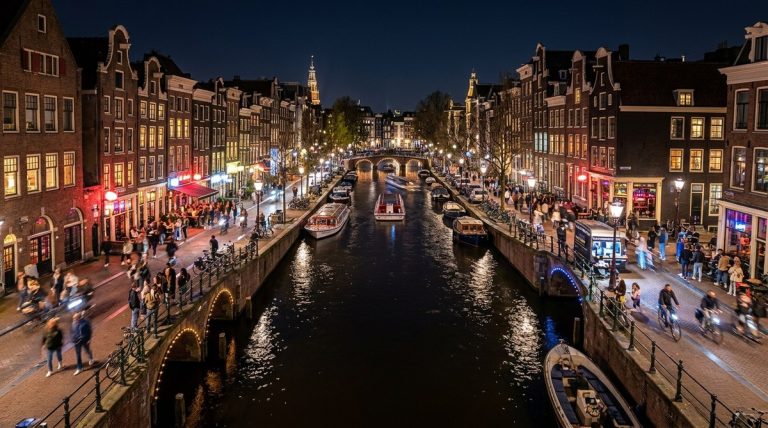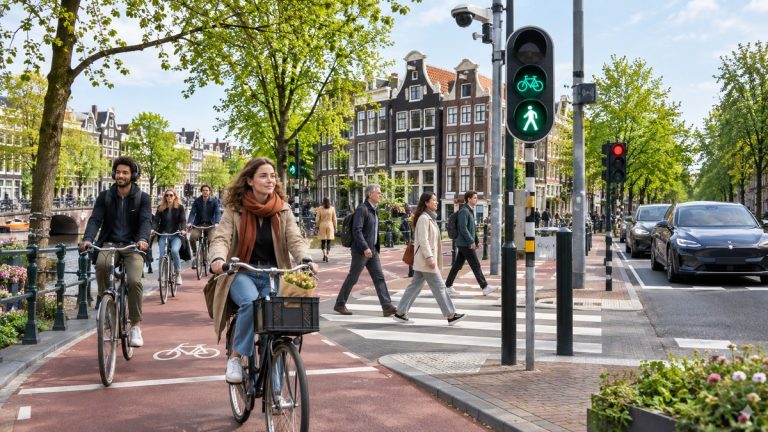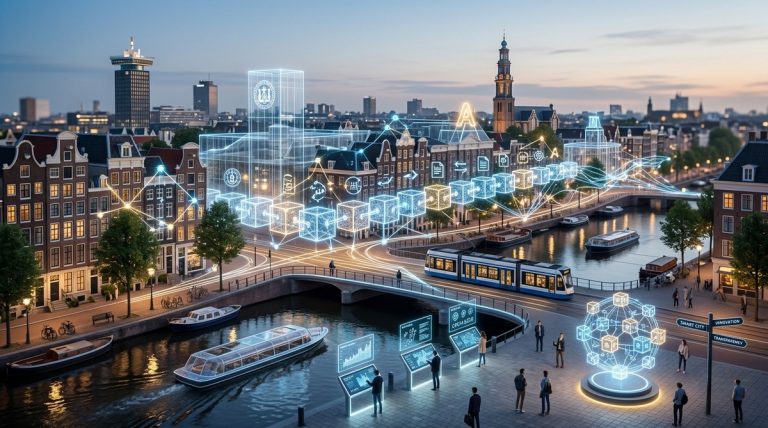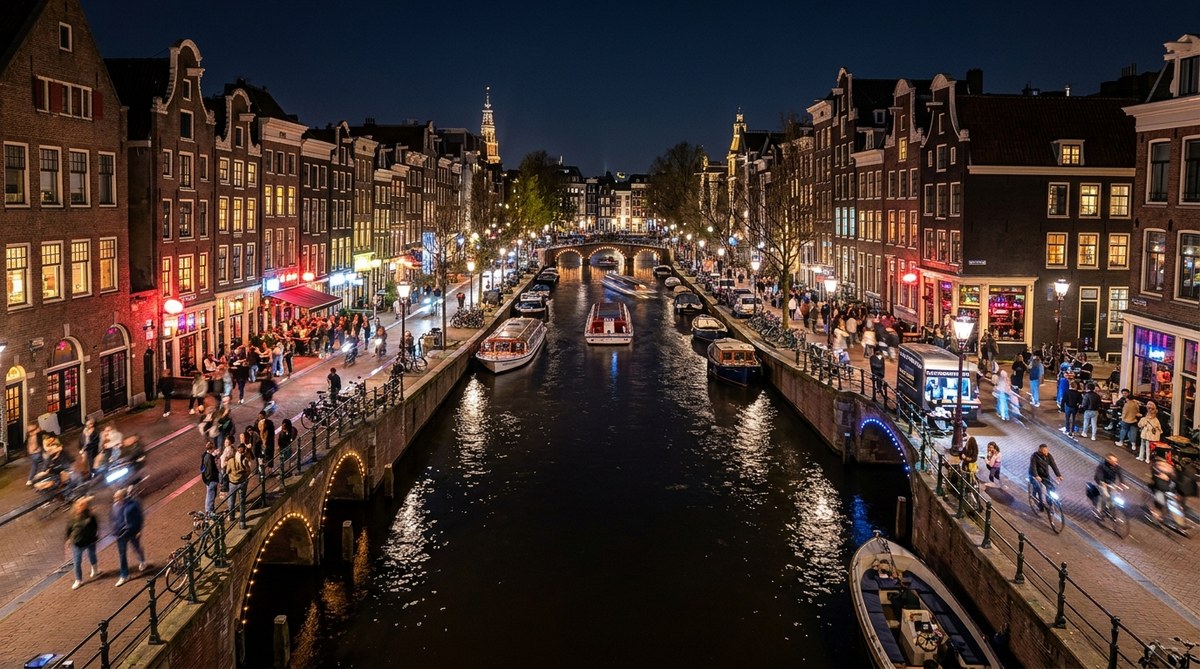
Amsterdam has always been a city that comes alive when the sun goes down. But in 2026, its approach to the night is about much more than canalside bars and neon-lit clubs. The city has quietly built one of the most sophisticated night-time economy strategies on the planet. It is a framework that balances cultural freedom with liveability, and it is drawing attention from urban planners and policymakers across the UK and beyond.
Amsterdam’s night-time economy strategy is not just about keeping the party going. It is a holistic urban innovation model that uses data, co-creation, and smart regulation to create safer, more inclusive, and economically vibrant cities after dark. For UK policymakers, it offers a proven template for rethinking how cities manage their nocturnal hours.
What Makes Amsterdam’s Approach Different?
The typical city sees the night as a problem to be managed. Noise complaints, street safety, and licensing battles dominate the conversation. Amsterdam flips that script. It treats the night as an opportunity for innovation.
The city appointed a dedicated night mayor in the early 2000s, long before the concept became trendy. That role has since evolved into a permanent part of the municipal structure. The night mayor acts as a bridge between nightlife operators, residents, and the city council. It is a role that ensures the night-time economy has a seat at the table when urban policy is being shaped.
This is not a top-down system. It is built on co-creation. Venue owners, artists, local residents, and even data scientists work together to set the rules. The result is a regulatory environment that feels less like a list of restrictions and more like a shared agreement.
How the Strategy Works in Practice
The Amsterdam night-time economy strategy rests on four core pillars. Each one is designed to address a specific tension that cities everywhere face after dark.
-
Licensing and zoning flexibility. Instead of rigid closing times, many areas use a “flexible hours” model. Venues can apply for later licences if they meet strict noise and safety standards. This reduces the famous “one o’clock rush” that causes noise and antisocial behaviour in other cities.
-
Data-driven noise management. Smart sensors placed across the city centre monitor sound levels in real time. The data is shared with venue operators and residents through a public dashboard. If noise exceeds agreed limits, the system alerts the venue before a complaint is even filed. It is a proactive approach that builds trust.
-
Diverse cultural programming. The city actively funds night-time events that are not just about drinking. Think late-night museum openings, after-dark gallery tours, and silent discos in parks. This broadens the appeal of the night-time economy and spreads foot traffic across different venues and times.
-
Safety and inclusion initiatives. Amsterdam has introduced “safe night out” training for staff at all licensed venues. It also runs a pilot scheme for women-only taxi ranks near busy nightlife spots. These measures are designed to make the night feel accessible to everyone, not just the young and loud.
A Table of Techniques and Common Mistakes
To understand what makes Amsterdam’s strategy work, it helps to see what it avoids. Here is a comparison of effective techniques versus common mistakes that other cities make.
| Effective Technique | Common Mistake |
|---|---|
| Co-regulation with night mayor | Top-down licensing without stakeholder input |
| Real-time noise sensors | Reactive noise complaint systems |
| Flexible closing hours | Uniform curfews that create bottlenecks |
| Diverse cultural programming | Over-reliance on alcohol-led venues |
| Data sharing with residents | Secrecy around enforcement data |
The difference is clear. Amsterdam treats the night-time economy as a system to be tuned, not a problem to be silenced.
What UK Cities Can Learn
British cities face many of the same challenges. Manchester, Birmingham, and London all struggle with balancing nightlife against residential liveability. The temptation is to impose blanket restrictions. Amsterdam shows a better way.
The key lesson is to start with data. Before changing any rules, the city spent years collecting information on noise patterns, foot traffic, and resident sentiment. That evidence base allowed them to make targeted changes rather than sweeping ones. For example, they discovered that most noise complaints came from just 5% of venues. So they focused enforcement there, rather than punishing the entire sector.
Another lesson is to invest in the night mayor model. It sounds like a small role, but it creates accountability. When something goes wrong, residents and venue owners know exactly who to talk to. That reduces frustration and speeds up problem solving.
“The night mayor is not a symbolic role. It is a operational necessity. Without a single point of contact, you end up with a fractured system where no one takes ownership of the night.”
— Mirjam van der Kerk, former Amsterdam Night Mayor
The Role of Smart Technology
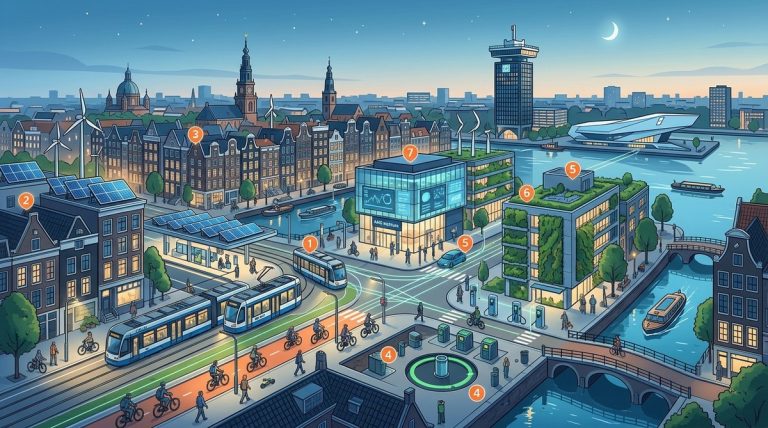
Technology is woven into every part of the strategy. Smart street lighting adjusts brightness based on pedestrian density, saving energy while keeping people safe. The city’s digital twin models how sound travels through different street layouts, helping planners design quieter nightlife zones. And a central data platform tracks everything from taxi availability to public toilet usage.
This is not about surveillance. It is about optimisation. The aim is to make the night work better for everyone. If a street is too loud, the system suggests rerouting late-night deliveries. If a square feels unsafe, the lighting can be adjusted remotely. These small tweaks add up to a significant improvement in quality of life.
For a deeper look at how Amsterdam uses similar tools across other urban challenges, read about how Amsterdam uses smart technologies to create a more sustainable urban future.
Building a Night-Time Economy That Lasts
Sustainability is a growing concern for any city strategy, and the night is no exception. Amsterdam’s approach includes measures to reduce the environmental impact of nightlife. Venues are encouraged to use reusable cup schemes. Late-night public transport is electrified. And the city is trialling noise-reducing pavement materials that also absorb rainwater.
These innovations matter because the night-time economy is a major employer. In Amsterdam, it accounts for nearly 18% of all jobs in the city centre. A sustainable night-time economy is not just about the environment. It is about protecting those jobs for the long term.
The strategy also addresses social sustainability. By funding diverse events and prioritising inclusion, Amsterdam ensures that the night belongs to everyone. That is good for community cohesion and good for the local economy.
Common Pitfalls When Adopting This Model
No strategy is perfect, and Amsterdam has learned some hard lessons. Other cities should be aware of these pitfalls before trying to copy the model.
-
Copying without context. The Amsterdam model works because it is tailored to the city’s specific geography, culture, and resident demographics. A direct copy in a UK city would likely fail. The principles are transferable, but the details must be local.
-
Ignoring the daytime economy. A vibrant night cannot exist without a healthy day. Amsterdam ensures that night-time planning is integrated with broader urban development. Nightlife zones are chosen based on their proximity to public transport and residential areas.
-
Underfunding enforcement. The strategy only works if the rules are enforced consistently. Amsterdam has a dedicated night-time enforcement team that patrols hotspots. Without that resource, the system breaks down.
For more on how the city integrates different urban systems, see how Amsterdam’s digital twin is revolutionising urban planning and citizen services.
A Blueprint for the Future of Urban Nights
Amsterdam’s night-time economy strategy is not a fixed document. It evolves every year based on new data and resident feedback. That is perhaps its greatest strength. It treats the night as a living system, not a problem to be solved once and forgotten.
For urban planners and policymakers in the UK, the message is hopeful. You do not have to choose between a lively nightlife and a peaceful city. With the right strategy, you can have both. The tools exist. The data is available. And Amsterdam has shown that it works.
The next step is to start small. Pick one neighbourhood. Install some sensors. Appoint a local night liaison. See what happens. The results might surprise you.
About the Author