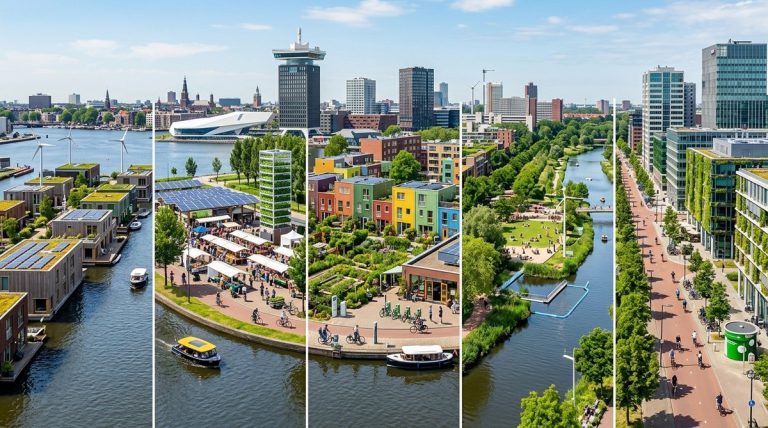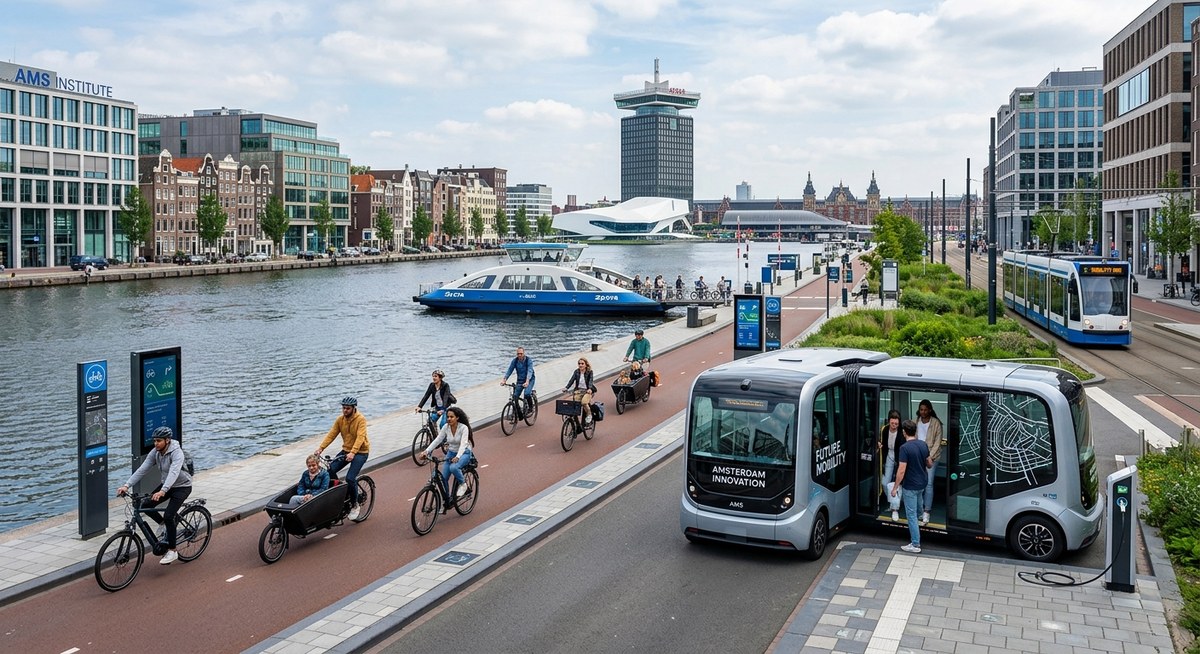
Amsterdam is leading the way in redefining urban mobility. Its commitment to innovation, sustainability, and smart technology is shaping a future where mobility solutions are cleaner, smarter, and more accessible. As cities worldwide grapple with congestion and pollution, Amsterdam offers a blueprint of how thoughtful urban planning and cutting-edge projects can create a vibrant, sustainable metropolis. From cycling infrastructure to integrated mobility platforms, the city’s efforts continue to inspire urban centres across the globe.
Amsterdam’s innovative approach to urban mobility integrates technology, sustainability, and community engagement, creating a model for future-proof cities. From expanding cycling networks to deploying smart infrastructure, the city’s projects set new standards for sustainable urban transport in 2026.
How Amsterdam Is Leading the Charge in Urban Mobility Innovation
Amsterdam’s journey toward a sustainable and efficient transportation system has been ongoing for decades. Today, the city stands at the forefront of urban mobility innovation, blending traditional practices like cycling with advanced digital solutions. This combination not only reduces environmental impact but also improves residents’ quality of life. The ongoing development of smart mobility projects illustrates how Amsterdam is shaping the future of urban transport, turning challenges into opportunities for growth and sustainability.
Foundations of Amsterdam’s Mobility Success
From Cycling First to a Multi-Modal System
Amsterdam’s reputation as the cycling capital of the world stems from a long history of prioritising bikes over cars. This shift began in the mid-20th century with efforts to reduce traffic accidents and improve air quality. Today, the city boasts over 880 miles of dedicated cycling lanes, making cycling the primary mode of daily transport for many residents. Extensive infrastructure supports e-bikes and cargo bikes, encouraging inclusivity and sustainable travel.
Pioneering Electric and Shared Mobility Initiatives
The city’s early adoption of electric mobility laid the groundwork for future innovations. The Witkar electric car-sharing programme, launched in the 1970s, was among the first of its kind, inspiring subsequent projects. Now, Amsterdam hosts a range of shared mobility options, including e-scooters, electric taxis, and a growing network of EV charging stations. These initiatives reduce reliance on private vehicles and promote cleaner alternatives.
Building a Smart and Connected City
Digital technology plays a critical role in Amsterdam’s mobility strategy. The city employs data analytics, AI, and sensor networks to optimise traffic flow and improve public transit efficiency. Projects like the Amsterdam Smart City initiative harness data to adapt infrastructure in real time, reducing congestion and emissions. This approach ensures the city remains resilient and adaptable to future mobility challenges.
Current Projects Driving Innovation in 2026
Expanding Electric Vehicle Infrastructure
A core element of Amsterdam’s plans involves rolling out comprehensive EV charging networks. By 2026, the city has deployed thousands of charging points across neighbourhoods and strategic locations, making electric mobility more accessible. This extensive infrastructure supports local residents and visitors alike, encouraging the transition to emission-free transport.
The Underwater Bike Garage and Multi-Modal Hubs
Innovative infrastructure projects include underwater bike garages that optimise space and protect bicycles from weather. These multi-modal hubs integrate various modes of transport, allowing seamless transfers between bikes, buses, trams, and shared vehicles. Such facilities enhance the user experience and foster a more integrated mobility landscape.
Embracing the Doughnut Economy for Sustainable Planning
Amsterdam’s adoption of the doughnut economic model guides its urban development efforts. This framework balances ecological boundaries with social needs, ensuring mobility solutions respect environmental limits while providing equitable access. Projects aligned with this approach focus on circular economy principles, reducing waste and promoting sustainable resource use.
Future Directions for Amsterdam’s Mobility Ecosystem
Integrating Data and AI for Smarter Mobility
Looking ahead, data-driven mobility management will become even more central. AI algorithms will optimise routes, predict demand, and facilitate adaptive traffic management. Initiatives like the https://ams-amsterdam.com/de-rol-van-data-en-ai-in-het-transformeren-van-stedelijk-beleid-in-amsterdam/ demonstrate how data can shape policies and improve urban life.
Embracing Autonomous Vehicles and New Modes
Autonomous shuttles and drones are set to complement existing services. Pilot projects testing driverless vehicles in controlled environments are already underway, with plans to expand in the coming years. These innovations promise safer, more efficient, and accessible mobility options for all residents.
Fostering Community and Stakeholder Engagement
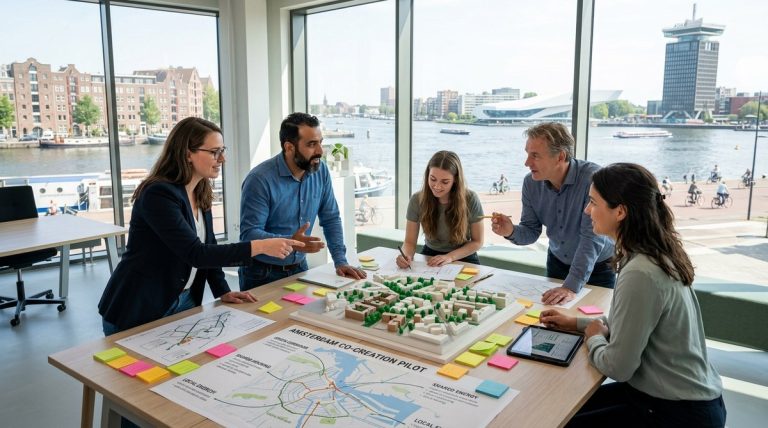
Amsterdam’s success hinges on involving local communities in planning. Participatory projects and open innovation platforms like the https://ams-amsterdam.com/innovative-urban-solutions-shaping-amsterdams-future-in-2026/ enable residents, businesses, and researchers to co-create solutions. This collaborative approach ensures mobility projects meet diverse needs and gain public support.
Practical Steps for Cities Aspiring to Innovate Like Amsterdam
- Assess local mobility patterns by analysing data and engaging with communities.
- Develop a multi-modal infrastructure plan that prioritises cycling, public transit, and shared services.
-
Invest in smart technology and data collection to optimise traffic flow and resource allocation.
-
Focus on sustainability and inclusivity.
- Collaborate with stakeholders across sectors.
- Pilot innovative projects and scale successful ones.
Techniques and Common Mistakes in Urban Mobility Projects
| Techniques | Common Mistakes |
|---|---|
| Data-driven planning | Ignoring community input |
| Multi-modal infrastructure design | Underfunding or neglecting maintenance |
| Smart technology integration | Overlooking digital equity |
| Circular economy principles | Failing to monitor and adapt projects |
Expert Advice
“Embedding technology into urban mobility requires a clear vision and ongoing stakeholder engagement. Cities that succeed do not just build infrastructure but cultivate a culture of innovation and collaboration,” advises Dr. Emma Carter, urban mobility expert.
A City That Moves Forward Together
Amsterdam’s journey towards a sustainable mobility future exemplifies how a city can integrate tradition with innovation. The blend of cycling, smart infrastructure, and data-driven policies creates a resilient transport ecosystem. As other urban centres seek to reduce congestion and pollution, Amsterdam offers actionable insights and inspiring models to emulate.
Whether implementing new cycling projects, experimenting with autonomous vehicles, or engaging communities through digital platforms, there are practical lessons for any city aiming to transform its mobility landscape. By fostering collaboration, investing in technology, and prioritising sustainability, urban areas can build more liveable, efficient, and environmentally friendly environments for generations to come.
About the Author