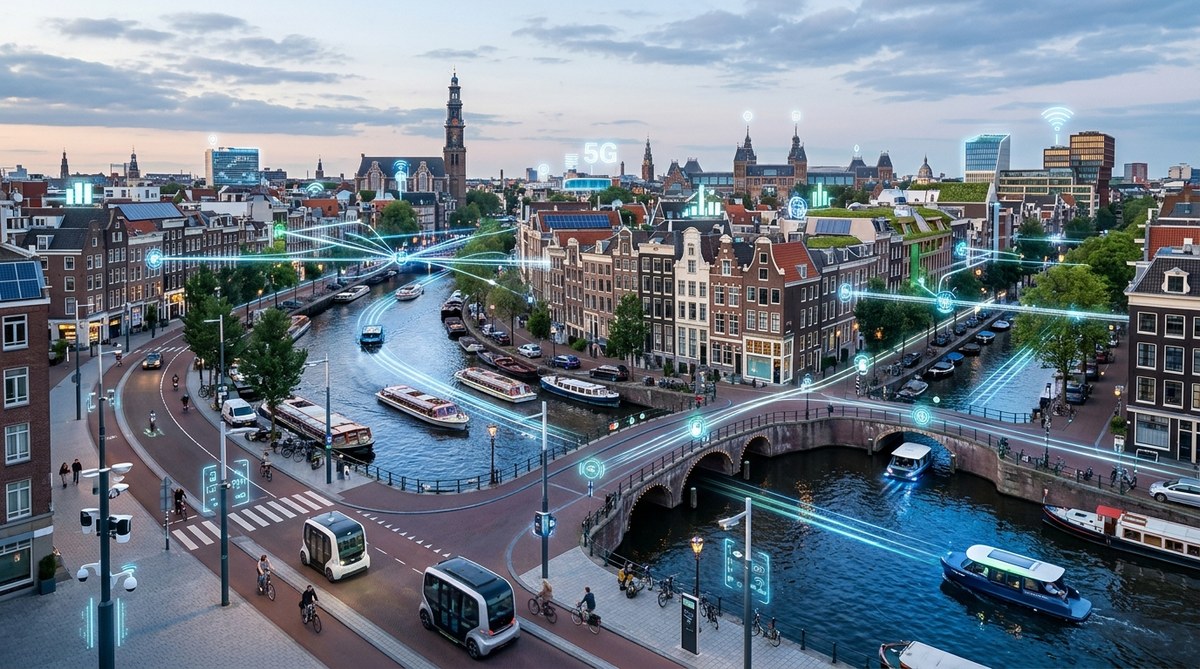
Amsterdam is rapidly transforming into a showcase of urban innovation. In 2026, the city leverages advanced technology to tackle challenges like congestion, pollution, and ageing infrastructure. This bold approach aims to make Amsterdam not just a beautiful city but a model of sustainable urban living. From smart traffic management to green energy solutions, Amsterdam’s efforts set a benchmark for cities across the globe.
Amsterdam’s adoption of innovative urban infrastructure technology in 2026 positions it as a leader in smart city development. Through a blend of data-driven solutions, green initiatives, and intelligent systems, the city is future-proofing its infrastructure to meet the demands of its residents and environment. This comprehensive approach offers valuable lessons for urban planners and officials aiming to build resilient, efficient, and liveable cities.
How Amsterdam Is Leading with Urban Infrastructure Innovation in 2026
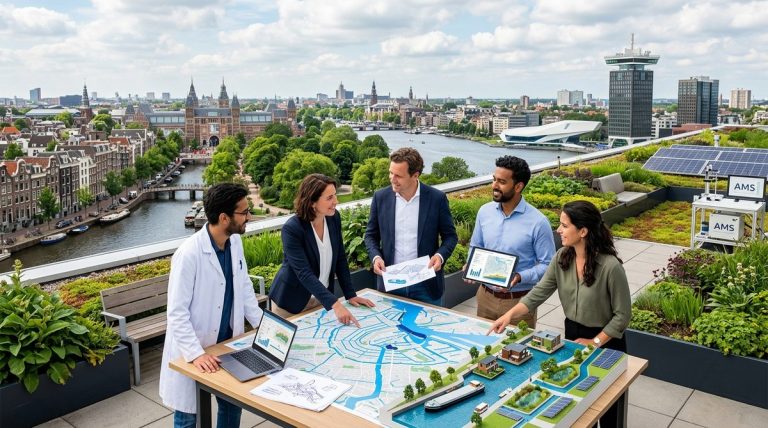
Amsterdam’s push towards modernising its urban landscape involves a multifaceted strategy. The city is embedding smart technology into its transport systems, energy grids, waste management, and public services. The goal is to create a seamless, sustainable environment that adapts to the needs of its citizens and minimises ecological impact.
The Role of Data and Artificial Intelligence in Urban Planning
At the heart of these efforts are data and artificial intelligence (AI). Amsterdam now uses AI-powered systems to optimise traffic flows, reduce congestion, and improve public safety. For example, real-time data from sensors and cameras feeds into algorithms that adjust traffic lights dynamically, prioritising emergency vehicles and reducing waiting times.
This approach extends to environmental monitoring, where AI models predict pollution hotspots and suggest mitigation measures. The integration of data analytics helps city officials make informed decisions, ensuring resources are allocated efficiently and urban development aligns with sustainability targets.
As one expert notes, “AI is transforming Amsterdam into a living lab where data-driven insights lead to smarter, greener living spaces.”
Smart Traffic Management and Mobility Solutions
Amsterdam’s urban infrastructure in 2026 is characterised by intelligent traffic systems that keep the city moving. These systems reduce congestion and cut emissions by coordinating traffic signals, managing public transport schedules, and guiding autonomous vehicles.
The city has also embraced mobility-as-a-service platforms that integrate all forms of transport—bikes, buses, trams, and shared cars—into a single app. This encourages residents and visitors to opt for eco-friendly options and reduces reliance on private vehicles.
Sustainable Energy and Green Infrastructure
Energy is a critical component of Amsterdam’s future-proofing strategy. The city invests heavily in renewable sources such as solar and wind power, complemented by smart grids that balance supply and demand. These grids incorporate AI to forecast energy needs and optimise distribution, lowering costs and emissions.
Green infrastructure, like urban green roofs, rain gardens, and permeable pavements, also plays a vital role. These features manage stormwater, improve air quality, and provide habitats for urban wildlife.
Waste Management Reinvented with Technology
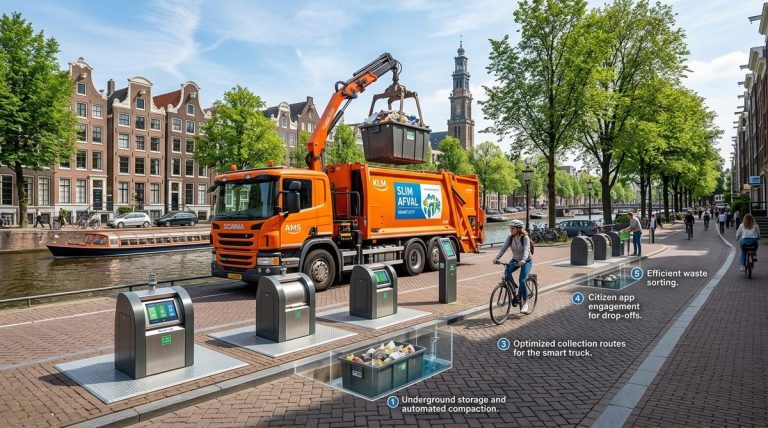
Waste collection has been revolutionised through sensor-enabled bins that monitor fill levels and optimise collection routes. This reduces unnecessary trips and lowers carbon footprint. Additionally, waste processing facilities incorporate AI to sort recyclables with high precision, boosting recycling rates and supporting Amsterdam’s circular economy goals.
Practical Steps to Implement Similar Innovations
For cities looking to follow in Amsterdam’s footsteps, adopting these cutting-edge solutions involves clear steps:
- Assess current infrastructure and identify areas where technology can improve efficiency or sustainability.
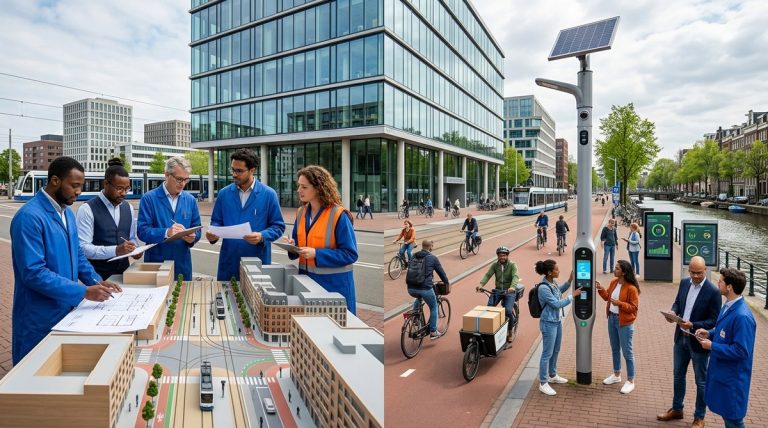
- Invest in sensor networks and data collection systems to gather real-time information across the city.
- Develop AI-powered platforms to analyse data and inform decision-making processes.
- Collaborate with technology providers and academic institutions to pilot innovative solutions.
- Engage the community through transparency and education about new systems and their benefits.
- Monitor and adapt strategies based on performance metrics and emerging trends.
Techniques and Common Mistakes in Urban Tech Deployment
| Techniques | Mistakes to Avoid |
|---|---|
| Integrating sensors into existing infrastructure | Overlooking the need for system interoperability |
| Using AI for predictive maintenance and planning | Relying solely on technology without human oversight |
| Developing public-private partnerships for innovation | Underestimating data privacy and security concerns |
| Prioritising sustainability in project design | Ignoring community feedback and local context |
| Continuous performance monitoring and updates | Failing to plan for long-term maintenance and scalability |
The Benefits of a Tech-Enabled Urban Future
The advantages of adopting such innovative infrastructure include:
- Reduced traffic congestion and pollution
- Improved public safety and emergency response times
- Enhanced energy efficiency and lower costs
- Greater resilience to climate change impacts
- Increased quality of life for residents and visitors
Expert Advice: Embracing the Smart City Journey
“The key to successful urban innovation lies in balancing technology with community needs. Cities should view their digital infrastructure as an evolving ecosystem that requires continuous investment and adaptation.”
Looking Ahead: The Path to Resilient, Sustainable Cities
Amsterdam’s experience in 2026 demonstrates that integrating advanced technology into urban infrastructure is no longer optional but essential. Cities worldwide can learn from Amsterdam’s approach—embracing data, fostering collaboration, and prioritising sustainability. This strategy ensures urban spaces remain vibrant, resilient, and liveable for generations to come.
For those involved in city planning or infrastructure management, staying informed about emerging technologies and case studies can spark new ideas. Regularly engaging with innovations like smart grids, autonomous mobility, and environmental sensors allows cities to anticipate challenges and respond proactively.
Final Thoughts: Building Smarter Cities for a Brighter Future
Future-proofing urban infrastructure involves a continuous journey of innovation, collaboration, and learning. Amsterdam’s example in 2026 shows how integrating technology creates a city that is not only smarter but also more sustainable and inclusive. By adopting a similar mindset, urban stakeholders across the UK and beyond can shape resilient, efficient, and thriving communities.
Remember, the future of urban living depends on proactive planning today. Embrace technological opportunities, engage your community, and stay open to new ideas. The city you help build today will serve as a model for generations to come.
About the Author