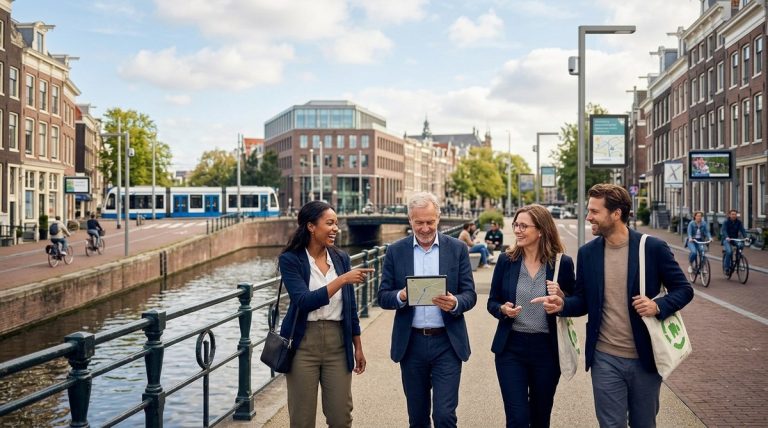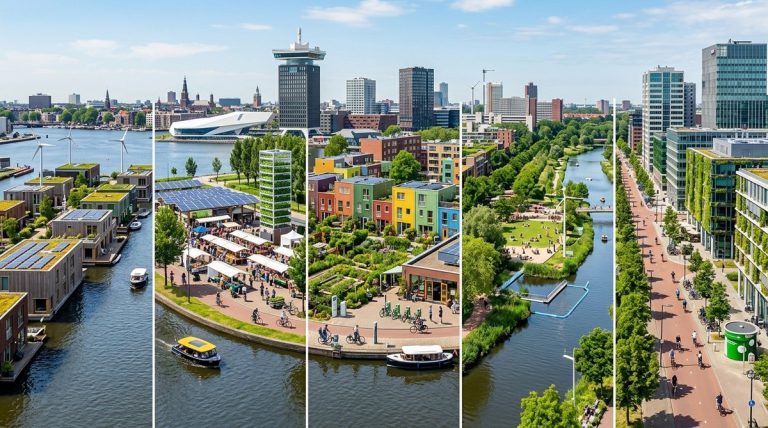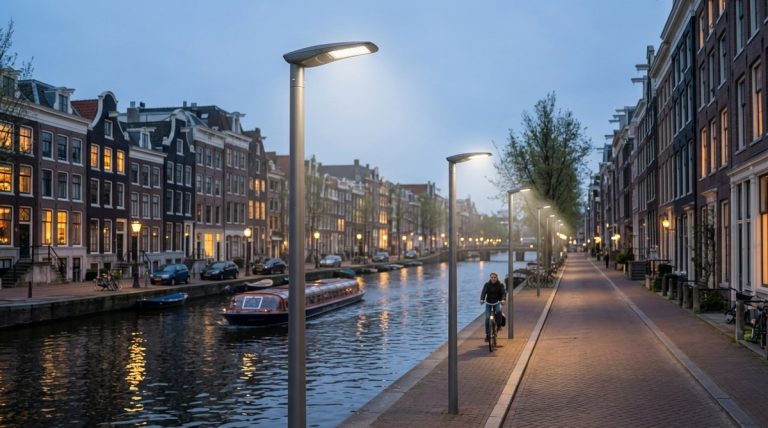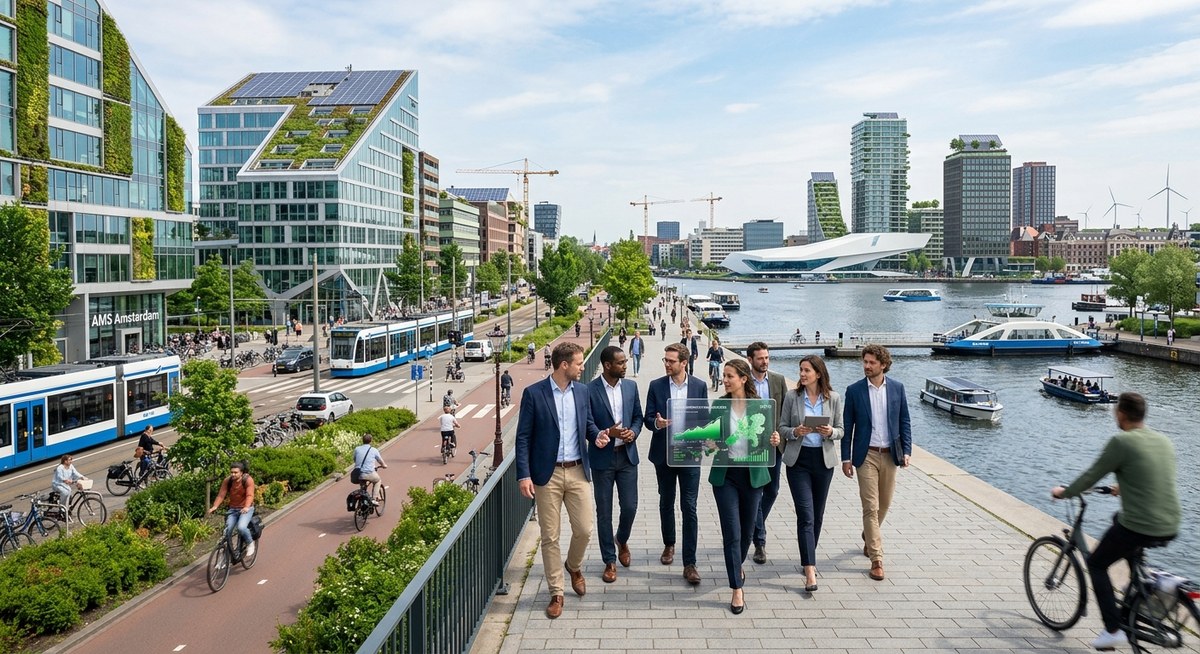
Amsterdam is making waves in 2026 as one of Europe’s most forward-thinking cities. Its approach to urban innovation blends technology, sustainability, and community-driven initiatives. The city is not only redefining what a modern metropolis can be but also setting a global example for sustainable urban growth. From smart mobility to circular economy projects, Amsterdam is actively shaping a future where urban living is both efficient and environmentally friendly. This year, the city’s innovative spirit is clearer than ever, with new projects and policies demonstrating how smart city strategies can create lasting change.
Amsterdam’s urban innovation in 2026 showcases a city actively integrating smart technology and sustainable practices to foster resilient, liveable urban environments that meet the needs of residents and the planet alike. These initiatives serve as a model for cities worldwide aiming to balance growth with sustainability.
How Amsterdam Is Leading Urban Innovation in 2026
Amsterdam’s commitment to transforming its urban landscape is evident in its embrace of cutting-edge technologies and sustainable policies. The city’s focus on smart mobility, green infrastructure, and data-driven planning helps create a cohesive, future-ready city. As a hub for urban innovation, Amsterdam demonstrates how strategic investments and community engagement can produce tangible benefits for residents and the environment.
Smart Mobility and Transportation Advancements
Transportation remains a key pillar of Amsterdam’s urban innovation. In 2026, the city has expanded its network of electric vehicles and introduced new mobility solutions that cut congestion and emissions. The deployment of smart traffic management systems allows for real-time adjustments, reducing wait times and improving safety. The city’s bike-sharing programmes have also grown, supported by smart docking stations that monitor usage patterns and optimise bike availability.
- Electric buses operate across the city, with charging stations integrated into the urban fabric.
- Autonomous shuttles are piloting in neighbourhoods, offering convenient, low-emission transport options.
- Smart parking systems help drivers find spaces quickly, reducing unnecessary circling and emissions.
Practical steps for implementing smart mobility:
- Conduct an urban mobility audit to identify congestion points.
- Invest in electric vehicle infrastructure and expand public charging stations.
- Integrate real-time data platforms to optimise traffic flow and parking.
Green Infrastructure and Circular Economy Initiatives
Amsterdam’s urban landscape has been reshaped through innovative green infrastructure projects. The city’s aim is to turn urban spaces into ecological corridors and water management systems. Initiatives like green roofs, permeable pavements, and urban wetlands help manage flood risks and improve air quality.
A standout feature of 2026 is the city’s push towards a circular economy. Projects such as the reuse of construction materials and waste-to-resource programmes are making urban regeneration more sustainable. The neighbourhood of Buiksloterham exemplifies this, with its focus on turning waste into building materials and creating a closed-loop system.
Techniques and mistakes table
| Techniques | Common mistakes |
|---|---|
| Green roofs | Overloading structures without proper engineering |
| Permeable pavements | Incorrect installation leading to poor water drainage |
| Waste-to-resource projects | Insufficient sorting and contamination issues |
“For cities aiming to innovate sustainably, the key lies in integrating green infrastructure with community engagement and smart technology,” advises Dr. Emily Carter, an urban sustainability expert.
Data and Technology Driving Policy and Planning
Data plays a crucial role in Amsterdam’s smart city approach. The city leverages open data platforms and artificial intelligence (AI) to inform policy decisions and optimise urban services. For instance, data analytics help predict traffic patterns, plan infrastructure upgrades, and monitor air quality.
The digital twin of Amsterdam, a virtual replica of the city, enables planners to simulate interventions before implementation. This technology reduces risks, saves costs, and ensures policies are effective.
Practical processes for data-driven urban planning:
- Establish open data portals for transparency and innovation.
- Use AI models to forecast environmental and traffic trends.
- Develop digital twins to test urban projects virtually.
Community Engagement and Inclusive Growth
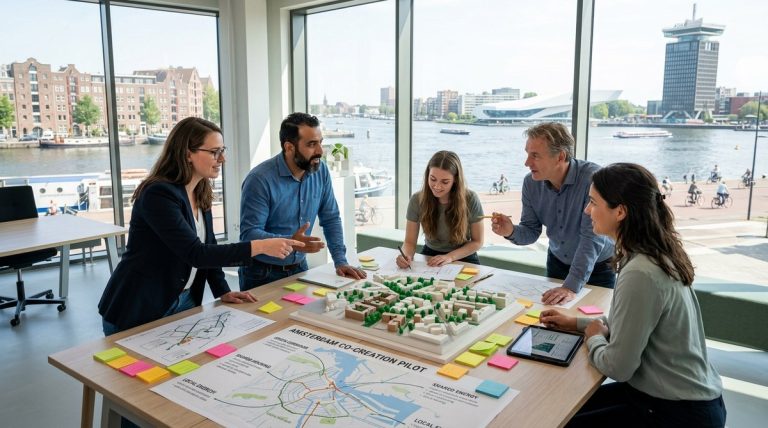
Innovation in Amsterdam is not solely driven by technology. The city recognises the importance of involving residents in planning. Public consultations and co-creation workshops help ensure that projects meet community needs.
In 2026, inclusive initiatives such as neighbourhood innovation labs foster local participation. These spaces allow residents to experiment with sustainable solutions and share ideas, strengthening social bonds.
Looking Ahead: The Future of Amsterdam’s Urban Environment
Amsterdam’s efforts in 2026 serve as a blueprint for sustainable urban development. The city’s integrated approach—combining technology, green infrastructure, and community participation—creates a resilient, vibrant urban environment. As these projects mature, they will likely influence other cities seeking to balance growth with sustainability.
Key strategies for other cities:
- Prioritise data-driven decision making.
- Invest in green infrastructure.
- Foster inclusive participation in urban projects.
“The future of urban living depends on cities adopting innovative, sustainable practices now,” notes urban strategist Laura Mitchell. “Amsterdam shows how combining technology with community can create truly liveable cities.”
How To Bring Innovation Into Your Own City
Applying Amsterdam’s strategies involves a step-by-step process:
- Identify key urban challenges like congestion, pollution, or housing.
- Invest in smart infrastructure tailored to local needs.
- Engage residents through participatory planning and feedback.
- Use data and technology to monitor progress and adapt strategies.
- Foster partnerships between government, businesses, and communities.
Final Thoughts: Building Smarter, Greener Cities
Amsterdam’s journey in 2026 proves that urban innovation is a continuous process. By integrating technology, sustainability, and community input, cities can create environments that are both efficient and welcoming. Whether you are an urban planner, researcher, or resident, embracing these principles can help shape a sustainable future for your community. The lessons from Amsterdam highlight the importance of collaboration, innovation, and resilience in building the cities of tomorrow.
About the Author