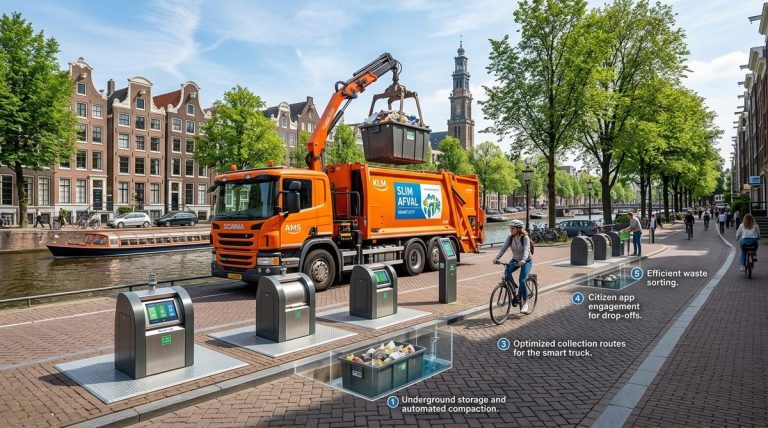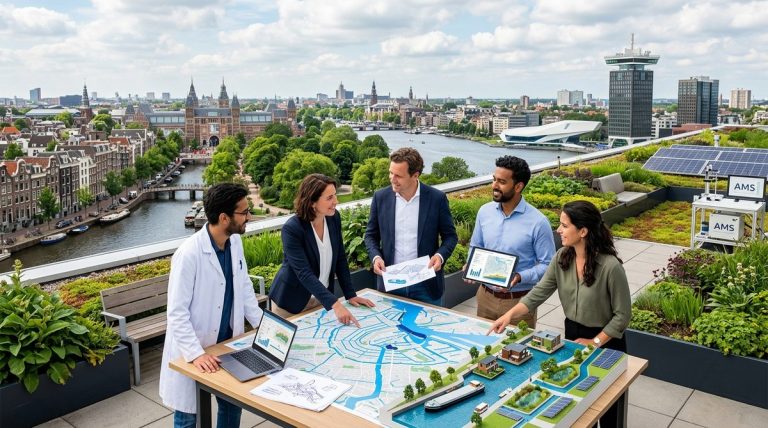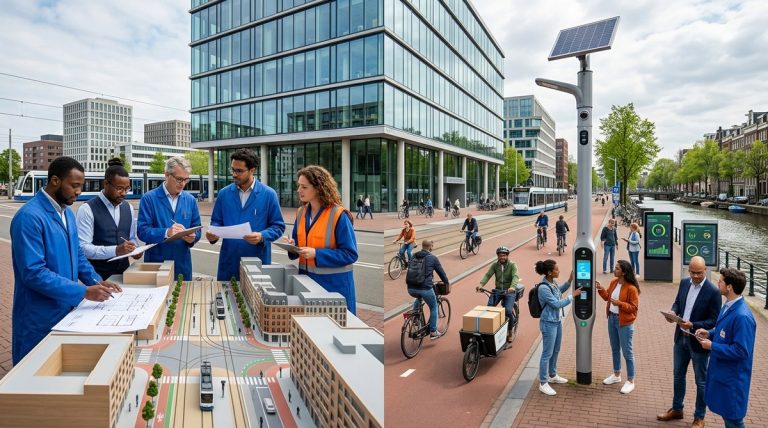
Urban spaces in Amsterdam are transforming faster than ever, thanks to the powerful use of urban planning data. From smarter traffic management to greener neighbourhoods, data-driven strategies are at the heart of the city’s ongoing evolution. As the capital continues to adapt to climate challenges, population growth, and technological advancements, embracing data is proving essential for creating a sustainable and resilient city. This approach not only enhances daily life but also sets a benchmark for cities across the UK and beyond.
Amsterdam’s urban planning in 2026 is heavily driven by innovative data use, enabling smarter, greener, and more inclusive city development. This approach supports sustainability goals, improves mobility, and fosters community engagement, making the city more liveable for everyone.
Amsterdam stands as a shining example of how cities can harness data to guide urban planning efforts. With a population pushing towards 900,000 residents and a vibrant mix of historic charm and modern innovation, the city faces complex challenges. These include congestion, climate resilience, and housing demands. To tackle these issues, urban planners are increasingly relying on urban planning data in Amsterdam to make informed decisions that align with sustainability and quality of life goals.
How data shapes Amsterdam’s urban landscape
Data is the backbone of modern urban planning in Amsterdam. City officials and researchers are leveraging vast amounts of information to understand existing conditions, forecast future trends, and implement targeted interventions. The goal is to create a city that is not only efficient but also environmentally sustainable and socially inclusive.
Practical processes in data-driven urban planning
Implementing data-driven strategies involves a series of deliberate steps:
-
Gathering comprehensive data sources
Urban planners collect data from various sources, including satellite imagery, sensor networks, transportation systems, and citizen reports. This provides a detailed picture of the city’s current state. -
Analysing data for insights
Using geographic information system (GIS) technology, analysts identify patterns, hotspots, and potential risks. For example, data can reveal areas prone to flooding or traffic congestion. -
Designing interventions based on evidence
Decisions about infrastructure, zoning, and environmental initiatives are made based on data insights. This ensures resources are allocated efficiently and effectively.
Techniques shaping Amsterdam’s city development
| Technique | Purpose | Common Mistakes |
|---|---|---|
| GIS mapping | Visualising spatial data for planning | Ignoring data accuracy or outdated maps |
| Real-time sensor data | Monitoring mobility, air quality, and energy use | Overlooking data privacy concerns |
| Predictive modelling | Forecasting future scenarios | Relying solely on models without validation |
| Data visualisation | Communicating complex info clearly | Using cluttered or confusing charts |
How data enhances urban sustainability
Amsterdam’s ambition to become a climate-resilient city relies heavily on urban planning data. For instance, flood risk models help design flood-proof infrastructure. Similarly, air quality sensors inform policies to reduce pollution. Data also supports the city’s aim to increase green spaces, optimise energy use, and promote cycling and public transport.
“Using data to inform urban planning results in more targeted, effective policies that can adapt quickly to changing conditions,” explains Dr. Emily Roberts, a leading researcher at the Amsterdam Urban Data Lab.
Five ways data-driven planning is transforming Amsterdam
-
Greening the city with smart planning
Data helps identify optimal locations for parks, green corridors, and urban farms. These initiatives improve air quality, reduce urban heat, and boost biodiversity. -
Sustainable mobility solutions
Real-time data from sensors and mobile apps inform dynamic traffic management. This reduces congestion and encourages eco-friendly transport modes like cycling and electric buses. -
Resilient infrastructure development
Data models predict climate impacts, guiding investments in flood defences, water management, and climate-adaptive buildings. -
Inclusive housing strategies
Analysis of demographic and economic data supports efforts to develop affordable, accessible homes for diverse communities. -
Citizen engagement through open data
Amsterdam’s open data portals encourage community participation. Residents can report issues and contribute to planning processes, fostering transparency and trust.
Challenges and lessons in data utilisation
While data offers significant advantages, managing it comes with hurdles:
- Ensuring data privacy and security
- Maintaining data accuracy and timeliness
- Avoiding biases in data collection and analysis
- Building capacity among city officials and stakeholders
| Common mistake | Consequence |
|---|---|
| Relying on outdated data | Misguided decisions and ineffective policies |
| Ignoring privacy concerns | Loss of public trust and legal issues |
| Overloading with data | Difficult interpretation and decision paralysis |
The future of Amsterdam’s urban planning with data
Looking ahead, the city aims to integrate more advanced technologies like artificial intelligence and machine learning. These tools can automate data analysis, identify emerging patterns faster, and support more dynamic planning.
As Amsterdam continues its journey, collaboration remains key. City agencies, universities, private firms, and citizens must work together to harness data responsibly and effectively. This collective effort will underpin sustainable growth, resilience, and improved quality of life.
Applying data-driven insights to your city projects
Urban planners elsewhere can learn from Amsterdam’s experience. Start by establishing reliable data sources and fostering a culture of data literacy. Prioritise transparency and community involvement to build trust and ensure that data efforts align with public needs.
Remember that data is a means to an end. It should support practical, human-centred solutions that make cities better places to live, work, and play.
Embracing the future of urban planning in 2026
Data-driven urban planning in Amsterdam offers a blueprint for smarter, more sustainable cities. By integrating innovative techniques and emphasising community participation, the city is paving the way for resilient urban environments. For those involved in city development across the UK, adopting similar approaches can unlock new opportunities for growth and sustainability.
In the end, harnessing urban planning data in Amsterdam demonstrates how evidence-based strategies can transform cities into healthier, more inclusive, and climate-ready spaces. As the city evolves, so do the possibilities for creating urban environments that truly serve their residents.
Remember to stay curious and open to new data-driven solutions. Implementing these strategies can significantly improve your city’s resilience and livability.
About the Author