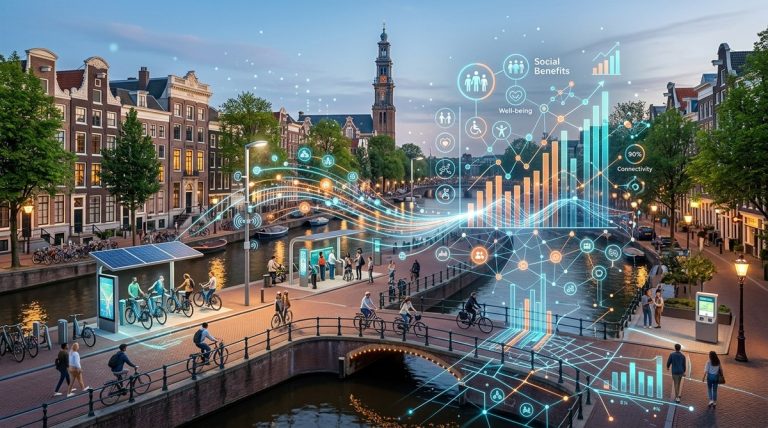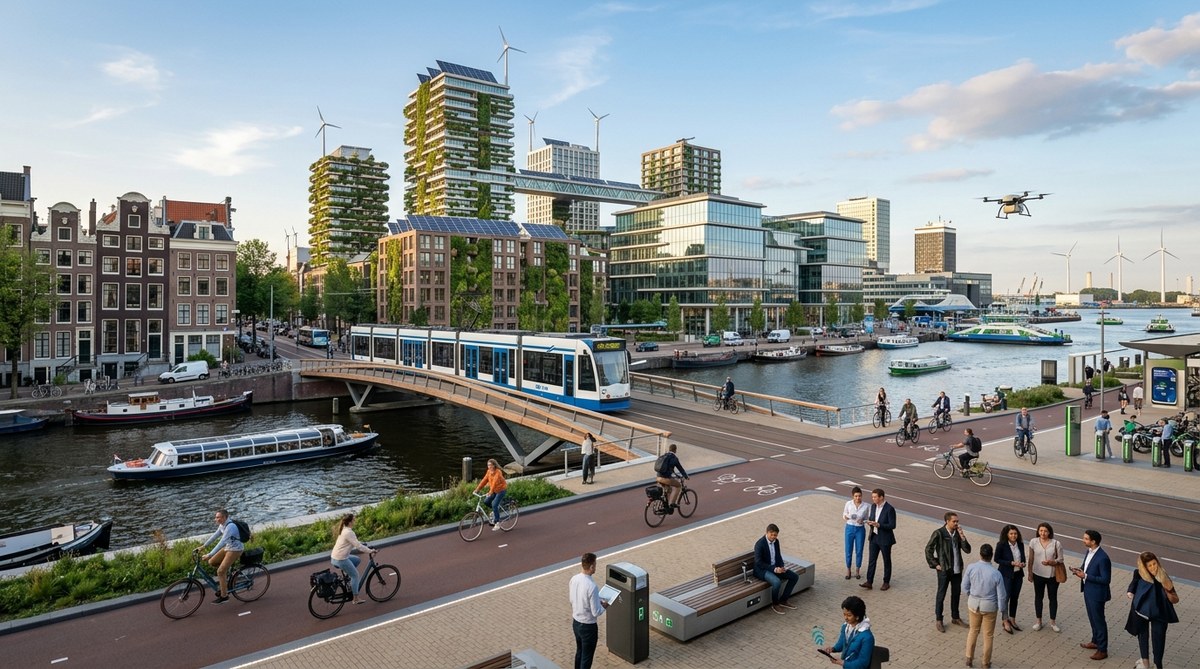
Amsterdam is often seen as a city that effortlessly blends history with cutting-edge technology. In 2026, the Dutch capital is setting the pace for urban innovation that many cities aspire to follow. From green initiatives to smarter transportation networks, Amsterdam is actively shaping a future where sustainability and technology go hand in hand. This year marks a significant milestone in its journey to become one of the world’s smartest, most liveable cities.
Amsterdam’s urban innovation in 2026 focuses on integrating sustainable technology, data-driven planning, and smart mobility solutions to create a resilient, efficient, and inclusive city for residents and visitors alike.
How Amsterdam’s smart city initiatives are shaping 2026
Amsterdam’s approach to urban innovation is comprehensive. It combines technological advancements with a clear focus on sustainability and citizen engagement. The city’s strategies are designed to tackle urban challenges like congestion, pollution, and limited space while promoting economic growth and social inclusion.
In 2026, the city’s efforts are visible through a variety of innovative projects and policies. These include expanding green infrastructure, deploying AI-powered data analytics for urban planning, and developing integrated mobility solutions that prioritise public transport and cycling.
Key areas of urban innovation in Amsterdam this year
1. Sustainable mobility and transport networks
Amsterdam is renowned for its cycling culture, but in 2026 it takes this further. The city has invested heavily in smart mobility systems that optimise traffic flow and reduce emissions. It’s rolling out intelligent traffic management that uses real-time data to adjust signals and routes dynamically.
Electric vehicle charging infrastructure has expanded significantly, making EVs more accessible. Additionally, new mobility platforms integrate ride-sharing, e-scooters, and public transit into seamless services accessible via smartphone apps.
2. Data-driven urban planning and governance
The city harnesses the power of data and AI to shape policies and urban development. By creating digital twins of neighbourhoods, planners can simulate projects and predict impacts before implementation. This approach minimises disruption and ensures investments yield maximum benefits.
Amsterdam’s open data portals invite citizens and businesses to participate actively in shaping the city’s future. This transparency fosters trust and encourages innovative solutions from the community.
3. Green infrastructure and circular economy
A cornerstone of Amsterdam’s 2026 urban innovation is its commitment to sustainability. The city has expanded green roofs, urban parks, and water management systems that adapt to climate change effects.
Circular economy principles are embedded into construction and waste management. Projects like Buiksloterham transform waste into resources, creating sustainable neighbourhoods. Recycled materials are standard, and urban farming is thriving alongside traditional agriculture.
Practical steps for adopting Amsterdam’s innovative methods
Implementing similar strategies in other cities can follow these steps:
- Assess local needs and resources: Understand your city’s unique challenges and strengths.
- Engage stakeholders early: Involve citizens, businesses, and experts in planning.
- Leverage technology: Use data, AI, and IoT devices for real-time insights and decision-making.
- Pilot projects extensively: Test solutions in small areas before city-wide deployment.
- Promote transparency and collaboration: Share data and outcomes openly to foster trust and participation.
Techniques and common pitfalls
| Technique | Mistake to avoid |
|---|---|
| Digital twins for planning | Relying solely on simulations without real-world validation |
| Data-driven policymaking | Ignoring privacy concerns and community input |
| Green infrastructure investments | Overlooking maintenance and community needs |
| Integrated mobility platforms | Fragmented systems that don’t communicate |
“The key to successful urban innovation is balancing technology with community needs. When citizens are involved and data is used responsibly, cities can transform into smarter, more sustainable places to live.” — Urban innovation expert
The role of collaboration and community involvement
Amsterdam’s success hinges on its inclusive approach. It actively involves residents and local businesses in co-creating solutions. Public forums, workshops, and digital platforms allow for continuous dialogue. This inclusive process ensures innovations are practical and widely accepted.
Challenges and lessons from Amsterdam’s journey
While Amsterdam has made impressive strides, challenges remain. Funding, regulatory hurdles, and technological integration are ongoing concerns. The city’s transparent approach to problem-solving—sharing setbacks as well as successes—has helped build resilience.
Key lessons include:
- Prioritise community engagement to ensure solutions meet real needs.
- Invest in continuous learning and adaptation.
- Foster partnerships across sectors, including academia, industry, and government.
Future prospects of Amsterdam’s urban innovation
Looking ahead, Amsterdam plans to deepen its smart city initiatives. Areas like AI-powered public services, autonomous vehicles, and climate adaptation will see further development. The city aims to serve as a living lab, inspiring other urban centres to innovate sustainably.
It is also exploring how emerging technologies like blockchain can enhance transparency and efficiency in urban governance. The overarching goal remains to create a city that is resilient, inclusive, and environmentally friendly.
How you can be part of Amsterdam’s urban future
Whether you are a city official, urban planner, or tech enthusiast, there are ways to contribute to this vibrant innovation landscape. Stay informed through local innovation platforms, participate in pilot projects, or even share your ideas with policymakers.
In the spirit of continuous improvement, embracing new tools and collaborative methods can help shape a smarter, greener city.
Final thoughts on the future of urban innovation in Amsterdam
Amsterdam in 2026 offers a compelling example of how cities can harness technology and community spirit to create sustainable urban environments. By integrating smart mobility, data-driven planning, and green infrastructure, the city is building a resilient future for residents and visitors alike.
The journey is ongoing, and your role in shaping it can be as simple as staying informed and engaging with local initiatives. Cities worldwide can learn from Amsterdam’s bold steps toward urban innovation, turning challenges into opportunities for growth and sustainability.
About the Author