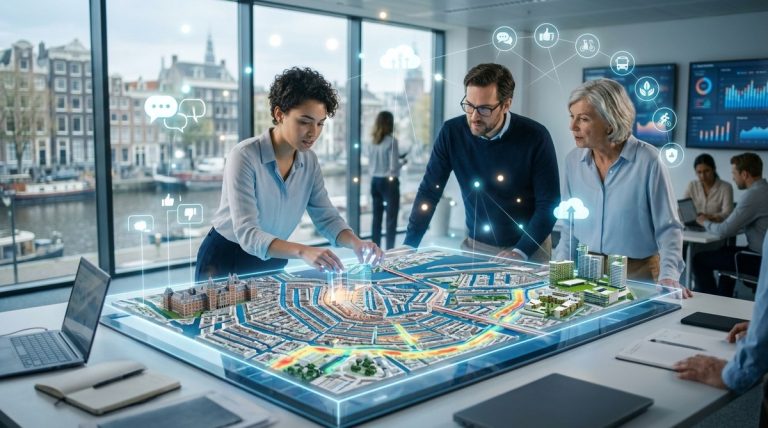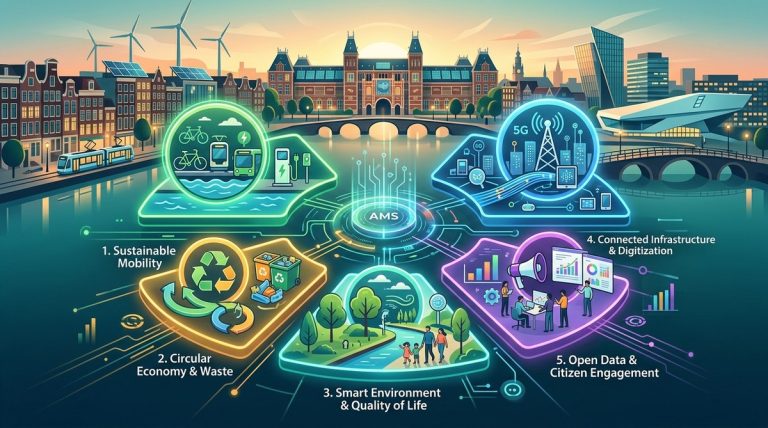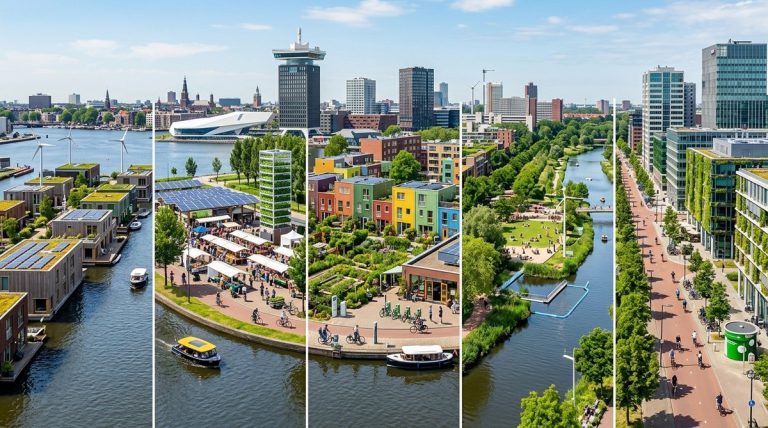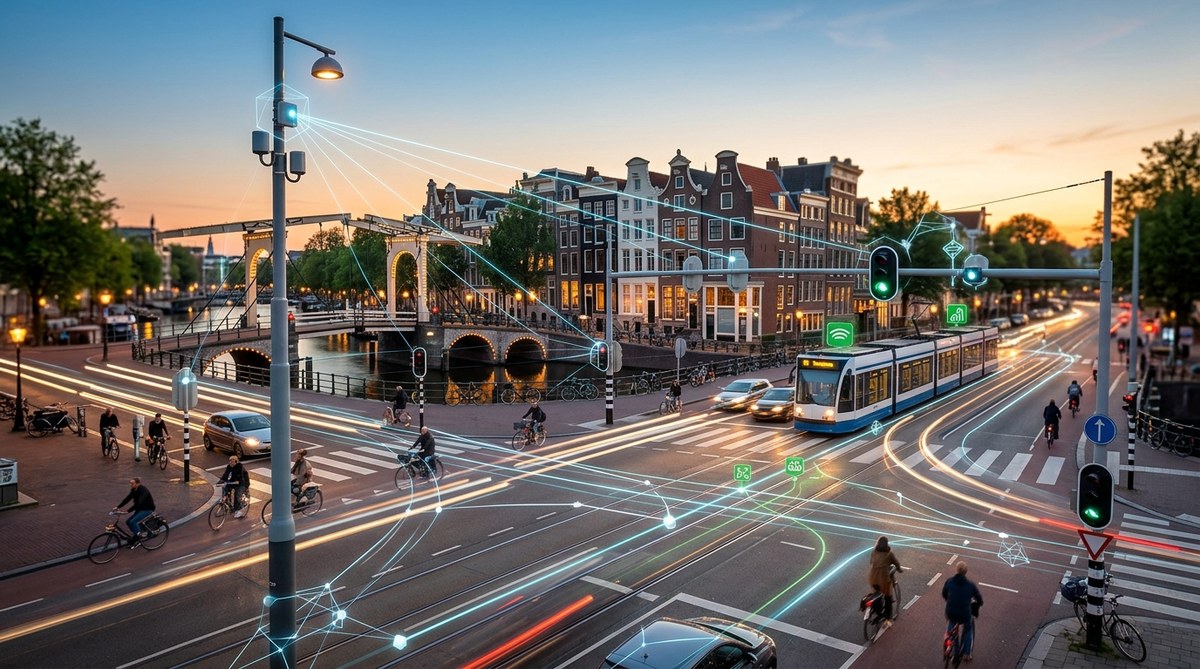
Amsterdam is at the forefront of urban innovation. As a city famed for its picturesque canals and vibrant streets, managing traffic efficiently remains a top priority. In 2026, the city’s approach to traffic management has taken a giant leap forward thanks to the power of the Internet of Things. Smart sensors, connected infrastructure, and real-time data analytics are now shaping how Amsterdam reduces congestion and improves mobility for residents and visitors alike. This shift marks a new era of sustainable, responsive, and intelligent city transport.
Amsterdam’s IoT urban traffic management in 2026 leverages connected sensors and data analytics to optimise traffic flow, reduce congestion, and enhance urban mobility sustainably and effectively.
The Rise of IoT in Amsterdam’s Traffic Ecosystem
Amsterdam’s dedication to sustainability and smart urban solutions has propelled the deployment of IoT technologies across its transport networks. The city’s goal is to create a seamless, efficient, and less congested environment. IoT devices, from smart traffic lights to vehicle sensors, gather vast amounts of data in real time. This data feeds into centralised systems that make instant decisions, adjusting traffic signals or providing route guidance to minimise delays.
The core idea is simple but powerful: connect everything that moves or influences movement within the city. This interconnected approach results in more accurate traffic predictions, faster incident response, and better resource allocation. It also supports the city’s ambitions for cleaner air and reduced carbon footprint.
Practical Steps for Implementing IoT Traffic Solutions
To establish a robust IoT based traffic management system, urban planners and technology teams in Amsterdam follow these steps:
- Conduct a comprehensive infrastructure audit to identify key areas for sensor deployment.
- Install smart sensors on roads, traffic lights, and vehicles to gather data on vehicle flow, speed, and congestion.
- Develop a centralised data platform that integrates real-time inputs and applies machine learning algorithms for predictive analytics.
- Implement adaptive traffic control systems that respond automatically to live conditions, adjusting signals and route suggestions.
- Engage stakeholders and the community by providing transparent updates and fostering collaboration for ongoing improvements.
These steps help ensure a smooth transition to a smarter traffic ecosystem, aligned with Amsterdam’s sustainability goals.
Benefits of IoT-Driven Urban Traffic Management
- Reduced congestion: Smart traffic lights and dynamic routing decrease bottlenecks, saving time and fuel.
- Lower emissions: Smoother flows and fewer idling vehicles contribute to cleaner air.
- Enhanced safety: Real-time incident detection allows faster responses, reducing accidents.
- Better resource allocation: Data-driven insights optimise maintenance and deployment of infrastructure.
- Increased resilience: The system adapts to events like roadworks or weather disruptions swiftly.
Smart city enthusiasts find that the integration of IoT creates a more liveable urban environment, aligning with Amsterdam’s broader vision of a sustainable future.
Techniques Powering Amsterdam’s Smart Traffic System
| Technique | Purpose | Common Mistakes |
|---|---|---|
| Real-time data collection | Monitoring vehicle flow and congestion | Ignoring data privacy concerns |
| Machine learning algorithms | Predicting traffic patterns | Relying solely on historical data |
| Adaptive signal control | Responding to live conditions | Overly complex system configurations |
| Vehicle-to-Infrastructure (V2I) communication | Enabling connected vehicles | Insufficient network coverage |
| Data visualisation dashboards | Facilitating decision-making | Poor user interface design |
Challenges and How to Overcome Them
Implementing IoT in urban traffic management is not without hurdles:
- Data privacy and security: Protecting citizen data is essential. Employ encryption and strict access controls.
- Interoperability: Ensuring different devices and systems work together. Use open standards and protocols.
- Cost and funding: Infrastructure upgrades require investment. Pursue public-private partnerships and grants.
- Public acceptance: Gaining community trust is vital. Communicate benefits clearly and involve citizens in planning.
“Amsterdam’s success with IoT in traffic management hinges on transparent policies and robust cybersecurity measures,” advises urban mobility expert Dr. Emily Roberts.
Looking Ahead: The Future of Smart Traffic in Amsterdam
The journey of IoT urban traffic management in Amsterdam continues to evolve. By 2026, the city aims to integrate autonomous vehicles, expand sensor networks, and incorporate AI-driven predictive models. These advances will further reduce congestion, improve safety, and support the city’s climate commitments.
Smart mobility is not just about technology; it’s about creating a better quality of life for everyone. The lessons learned here can serve as a blueprint for other cities seeking sustainable and intelligent urban transport solutions.
Making Your City Smarter with IoT
Whether you are a city planner, a technology provider, or an enthusiast, understanding how IoT transforms traffic management is crucial. Start with a clear plan, prioritise data security, and embrace open standards. Collaborate with stakeholders and keep the focus on sustainability and resident wellbeing. The future of urban mobility depends on your ability to harness these cutting-edge tools effectively.
A Smarter Road Ahead
Amsterdam’s approach to IoT urban traffic management in 2026 offers inspiring insights into how cities can live more sustainably and efficiently. By adopting connected sensor networks and adaptive systems, urban areas can reduce congestion, lower emissions, and enhance safety. The key is to build flexible, secure, and inclusive solutions that serve everyone.
As you consider your city’s next steps, remember that the most successful projects are those rooted in collaboration and driven by a shared vision for smarter, greener urban living. Use the lessons from Amsterdam as a guide, and take practical steps towards transforming your traffic systems today.
About the Author