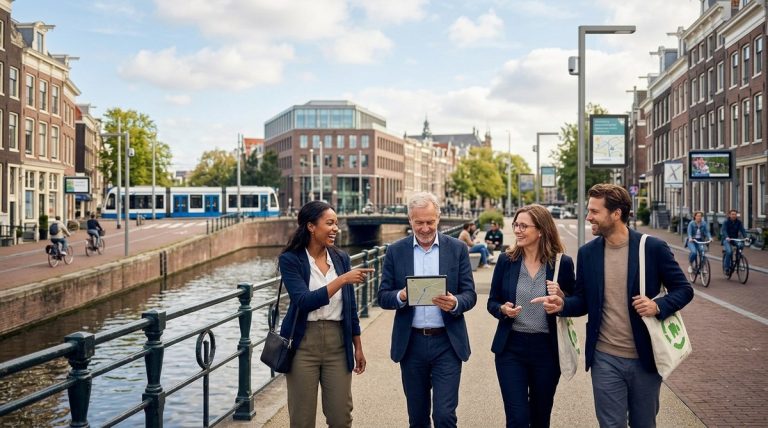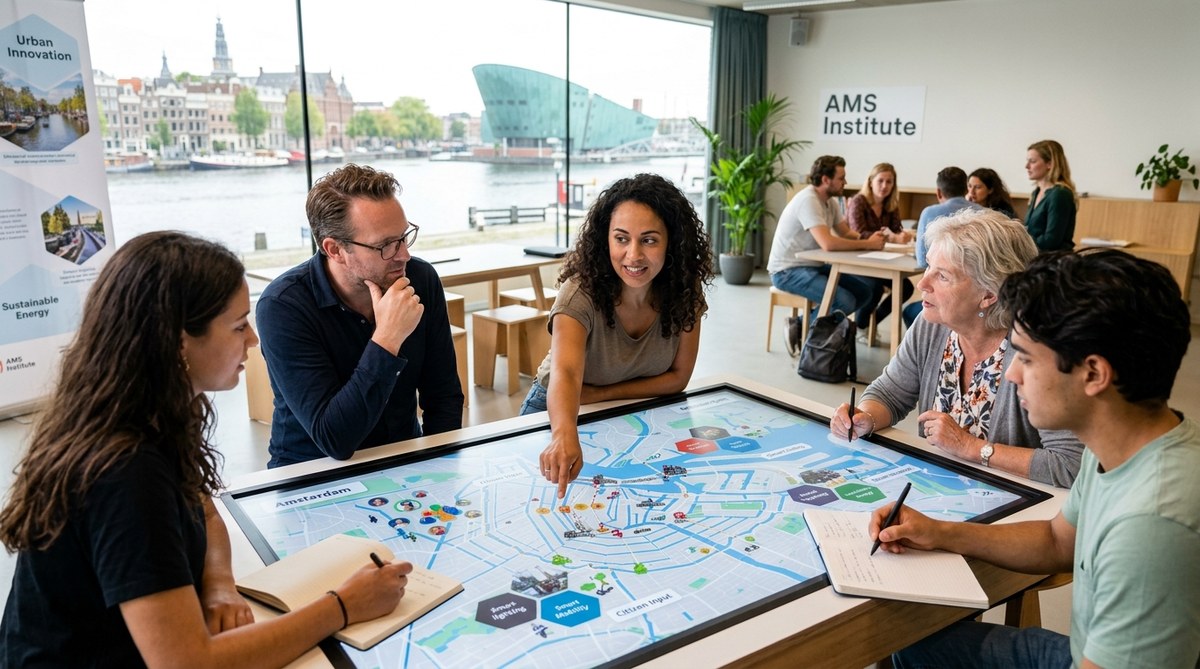
Amsterdam’s neighbourhoods buzz with activity as residents, policymakers, and urban planners join forces to shape the city’s future. The city’s commitment to becoming smarter and more sustainable hinges on one vital element: citizen engagement. In 2026, Amsterdam exemplifies how involving residents in decision-making processes not only fosters trust but also results in smarter, more inclusive urban solutions. This approach transforms traditional city planning into a collaborative effort that benefits everyone.
How citizen engagement shapes Amsterdam’s smart city initiatives
Amsterdam’s journey towards a smarter city is a story of co-creation. Citizens are no longer passive recipients of urban services. Instead, they actively participate in shaping policies, projects, and innovations. Engagement takes many forms, from digital platforms allowing feedback to community workshops and neighbourhood forums. This inclusive approach ensures that the city’s development reflects diverse perspectives, addressing unique local needs.
Research shows that involving citizens from the outset leads to more effective and sustainable solutions. For example, residents’ insights helped optimise traffic flow in busy districts and improve green spaces. The city’s smart infrastructure is designed with input from those who use it daily, making technology work better for everyone.
Practical ways Amsterdam encourages citizen participation
Building a vibrant dialogue between city officials and residents involves a series of deliberate steps. Here are three practical processes that help embed citizen engagement into Amsterdam’s smart city fabric:
-
Creating accessible digital platforms
Amsterdam utilises online portals and apps where residents can report issues, suggest ideas, and vote on projects. These platforms, like the city’s dedicated participation portal, foster transparency and ongoing dialogue. They also help reach a wider audience, including younger residents and marginalised groups. -
Organising inclusive community events
Town hall meetings, workshops, and hackathons are organised regularly to gather diverse voices. These events encourage face-to-face interactions, building trust and understanding between citizens and policymakers. They also serve as incubators for innovative ideas that can be integrated into city plans. -
Implementing participatory budgeting
This process allows residents to decide how a portion of the city’s budget is spent. It empowers communities to invest in projects that matter most to them, such as local parks or cycling lanes. Participatory budgeting fosters ownership and accountability, leading to more community-supported urban development.
Key techniques for effective citizen engagement
Successful citizen participation relies on employing the right techniques. Here’s a quick comparison table illustrating common methods and potential pitfalls:
| Technique | Benefits | Common Mistakes |
|---|---|---|
| Online surveys and polls | Quick feedback, broad reach | Low engagement, superficial responses |
| Community workshops | Deep insights, personal connections | Limited attendance, bias towards vocal groups |
| Participatory budgeting | Direct influence over spending | Lack of transparency, limited follow-up |
| Digital mapping tools | Visualise community needs and assets | Technical barriers, digital exclusion |
| Social media campaigns | Raise awareness, gather real-time input | Misinformation, unmoderated comments |
Expert advice: “Effective citizen engagement combines digital and face-to-face methods, creating multiple touchpoints for participation.” — Dr. Emily Carter, Urban Innovation Specialist
Overcoming challenges in citizen participation
While Amsterdam’s approach is inspiring, it faces challenges common to many cities. Digital exclusion remains a concern, especially for older residents or those with limited internet access. Ensuring inclusivity requires offering offline options and targeted outreach.
Privacy concerns can also hinder participation. Citizens need assurance that their data is protected and used responsibly. Transparency about how input is utilised builds trust and encourages ongoing involvement.
Another obstacle is sustaining engagement over time. Citizens may participate initially but lose interest if their feedback seems ignored. Amsterdam addresses this by providing feedback on how input influences decisions, closing the loop and maintaining motivation.
Techniques to avoid in citizen engagement
To maximise impact, avoid these common pitfalls:
| Mistake | Consequence |
|---|---|
| Ignoring diverse voices | Alienates marginalised groups, reduces legitimacy |
| Overloading participants with information | Causes confusion, discourages involvement |
| Lack of transparency in decision-making | Erodes trust, fosters scepticism |
| Limited feedback loops | Participants feel their input doesn’t matter |
How residents are shaping Amsterdam’s future
Amsterdam’s success lies in fostering a culture of openness. Residents’ feedback has directly influenced initiatives such as expanding bike lanes, improving waste management, and designing more accessible public spaces.
For example, local residents collaborated on a pilot project to introduce smart waste bins that notify collection services when full. This initiative, driven by community input, improved cleanliness and reduced costs.
Moreover, citizen participation fosters a sense of ownership. When residents see their ideas come to life, they become ambassadors for sustainable city living.
The role of technology in facilitating participation
Digital tools make engagement more convenient and inclusive. Interactive platforms, mobile apps, and social media channels enable residents to participate anytime, anywhere. These technologies also collect valuable data to inform smarter city planning.
Amsterdam’s use of data analytics helps identify patterns in citizen feedback, prioritise issues, and measure the impact of initiatives. Combining human insights with technological innovation ensures that the city’s development remains responsive.
Looking ahead: community-driven innovation in 2026
The future of Amsterdam’s smart city development depends on continuous citizen involvement. As new technologies emerge, so do opportunities for more dynamic participation. Virtual reality town halls, AI-assisted feedback analysis, and gamified engagement platforms are on the horizon.
By embracing these innovations, the city can ensure that every resident’s voice is heard. Maintaining open channels of communication and fostering a culture of trust will be essential.
A practical guide to boosting citizen engagement in your city
Whether you are an urban planner, policymaker, or community advocate, adopting a few key practices can strengthen citizen participation:
-
Diversify engagement channels
Use a mix of online and offline methods to reach everyone. -
Be transparent about how feedback is used
Share updates, decisions, and outcomes openly. -
Foster continuous dialogue
Create ongoing opportunities for input beyond one-off surveys or events. -
Empower communities through participatory projects
Let residents lead initiatives and decide priorities. -
Use data responsibly
Ensure privacy and security while leveraging insights for smarter planning.
Engaging citizens for a smarter Amsterdam
In 2026, Amsterdam exemplifies how citizen participation can be a catalyst for innovative, sustainable urban growth. When residents have a real say in shaping their environment, the city becomes a more vibrant, inclusive, and resilient place to live. Encouraging ongoing dialogue and leveraging technology thoughtfully will remain vital. By embedding citizen engagement into every layer of urban development, Amsterdam paves the way for a future where everyone’s voice matters.
Remember: your involvement can make a difference. Whether through a neighbourhood meeting, an online poll, or community-led projects, your voice helps craft a city that truly works for its people.
About the Author