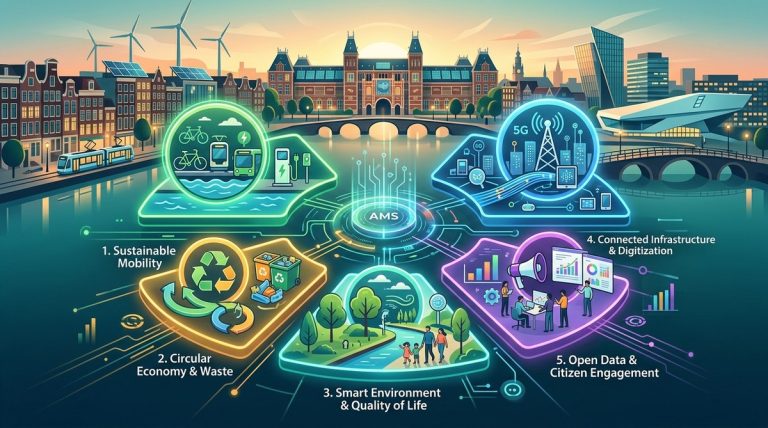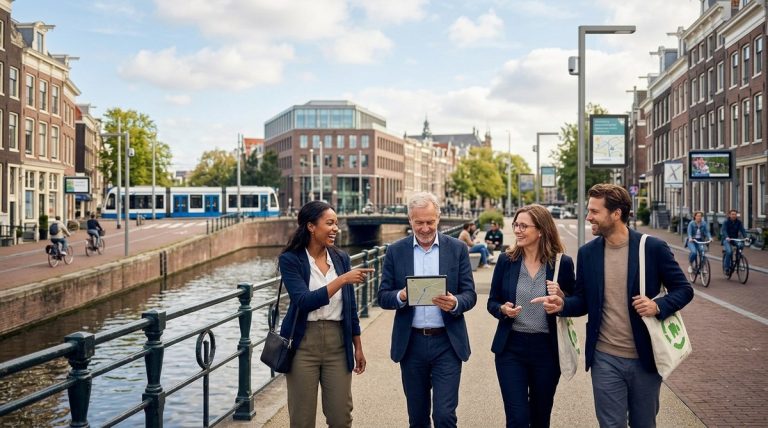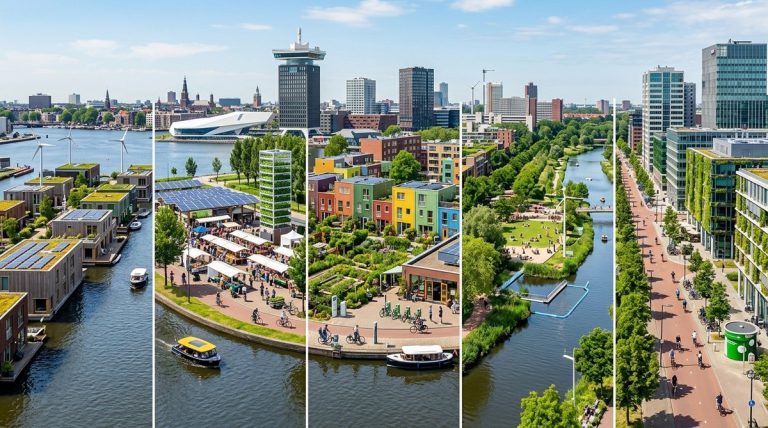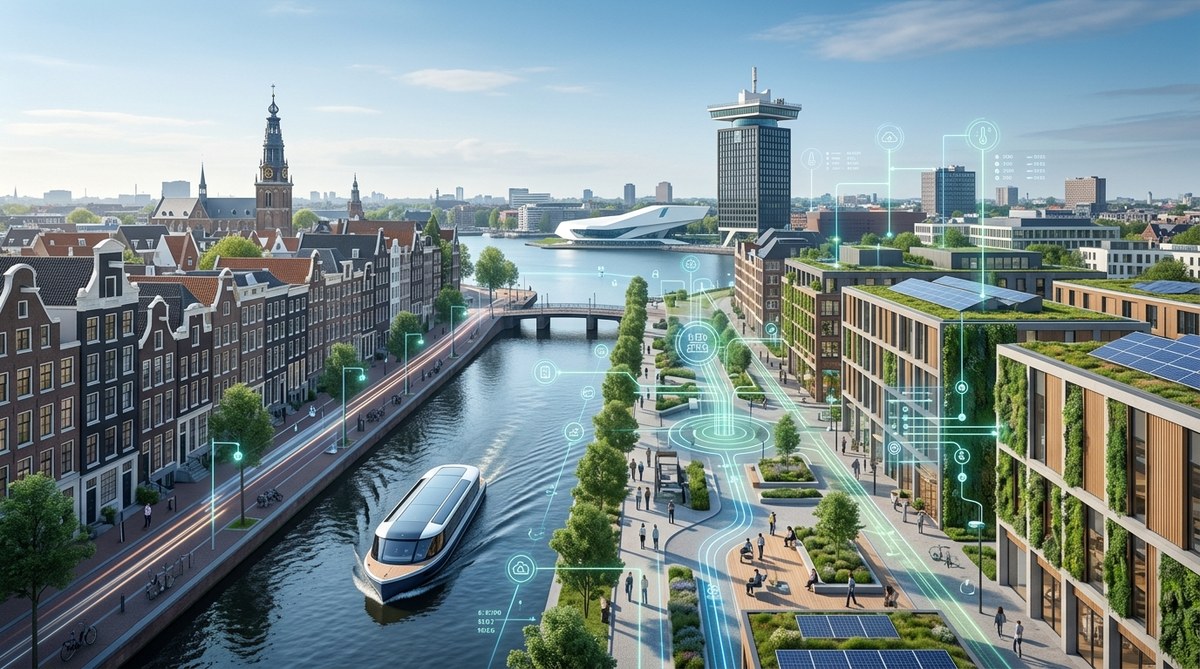
Amsterdam is quickly becoming a leader in integrating artificial intelligence to strengthen its urban resilience. As climate change, population growth, and technological shifts challenge cities worldwide, Amsterdam’s efforts to harness AI stand out. By 2026, innovative AI applications are transforming how the city manages risks, improves sustainability, and enhances the quality of life for its residents. This approach offers a glimpse into the future of smart, resilient cities across the United Kingdom and beyond.
Amsterdam’s use of artificial intelligence in 2026 exemplifies how cities can turn challenges into opportunities. AI-driven solutions are making the city more adaptive, sustainable, and liveable by addressing climate risks, traffic management, and resource efficiency. This innovative approach provides valuable lessons for urban planners and policymakers seeking resilient urban futures in the UK and beyond.
How AI Is Shaping Amsterdam’s Resilient Urban Future
Amsterdam’s approach to urban resilience in 2026 centres around deploying AI technologies that adapt to the city’s unique challenges. From managing flood risks to reducing energy consumption, AI is a key tool in creating a sustainable, resilient city. This is not just about technology for its own sake but about building smarter systems that respond dynamically to real-world conditions.
AI-Driven Climate Adaptation and Flood Risk Management
One of the most pressing issues for Amsterdam is water management. The city’s historic vulnerability to flooding makes it a prime candidate for AI-powered solutions. In 2026, advanced models analyse real-time data from weather stations, river sensors, and satellite imagery to predict flood risks with high accuracy. These models enable authorities to activate early warning systems, deploy flood barriers, and optimise drainage operations efficiently.
For example, real-time AI systems can adjust the operation of the city’s famous canals and flood barriers based on forecasted rainfall and tide levels. This adaptive approach reduces the risk of flooding during heavy storms and high tides, protecting homes and infrastructure.
Smart Traffic and Mobility Systems
Traffic congestion and transportation emissions are significant concerns in any major city. Amsterdam has embraced AI to create smarter traffic management. Using machine learning algorithms, the city’s traffic control centres analyse data from cameras, sensors, and public transport schedules to optimise traffic flow.
This leads to smoother commutes, fewer emissions, and less congestion. AI-powered digital twins simulate different traffic scenarios, allowing planners to test and implement improvements without disrupting daily life. These systems also support autonomous vehicle deployment, further reducing urban pollution and improving mobility access.
Sustainable Resource Management
AI is instrumental in managing energy, water, and waste more efficiently. In 2026, Amsterdam operates AI-driven smart grids that balance energy supply and demand dynamically. These systems integrate renewable sources like wind and solar, ensuring cleaner energy use.
Water consumption is monitored through AI sensors that detect leaks and optimise usage across the city’s infrastructure. Waste collection routes are planned by AI algorithms that consider traffic and service demand, reducing carbon footprints and operational costs.
Data-Driven Urban Planning and Community Engagement
Urban planning in Amsterdam is increasingly reliant on data analytics and AI. City officials use predictive models to evaluate the impact of new developments on resilience and sustainability. These models incorporate climate projections, socio-economic factors, and infrastructure data.
Community engagement platforms powered by AI facilitate resident feedback on urban projects. This two-way communication helps ensure that resilience measures align with citizen needs and preferences.
Practical Steps to Implement AI for Urban Resilience
- Assess the city’s vulnerabilities by collecting data on flood risks, traffic, energy use, and other critical areas.
- Develop AI models tailored to local challenges, integrating real-time data sources for accurate predictions.
- Create collaborative frameworks involving technology providers, city officials, and communities to design and deploy AI solutions.
Tips for UK Cities Looking to Follow
- Focus on data quality and interoperability to ensure AI systems work seamlessly.
- Prioritise transparency and community involvement in decision-making processes.
- Invest in digital infrastructure like sensors and high-speed connectivity to support AI applications.
- Build partnerships with research institutions to develop customised solutions.
Common Pitfalls to Avoid
| Technique | Mistake to Avoid |
|---|---|
| Overreliance on AI models | Ignoring local context and ground realities |
| Poor data management | Using outdated or incomplete data for predictions |
| Lack of transparency | Failing to communicate AI decision processes clearly |
| Insufficient stakeholder involvement | Neglecting input from residents and community groups |
Insights from Experts
“AI is transforming how cities prepare for and respond to climate and urban challenges,” states Dr. Emma Roberts, a leading researcher in urban AI applications. “Smart systems that adapt in real time can significantly reduce risks and improve resilience.”
Building Resilience with AI as a Catalyst
Amsterdam’s experience in 2026 demonstrates the power of artificial intelligence to make urban environments more adaptable and sustainable. The city’s integration of AI into flood management, transportation, and resource efficiency shows how technology can bolster resilience against diverse challenges.
For UK cities aiming to replicate this success, the key lies in embracing a holistic, data-driven approach. Building robust digital infrastructure, fostering cross-sector collaboration, and engaging communities are vital steps.
Moving Towards a Resilient Urban Future
As urban areas continue to evolve, so too must their resilience strategies. AI offers a flexible, scalable way to respond swiftly to emerging risks and opportunities. The lessons from Amsterdam in 2026 show that with commitment and innovation, cities can turn resilience into a core strength.
By adopting these principles, urban planners and policymakers across the UK can help craft communities that are not only prepared for the future but are also actively shaping it. Incorporating AI into resilience planning ensures cities remain vibrant, safe, and sustainable for generations to come.
About the Author