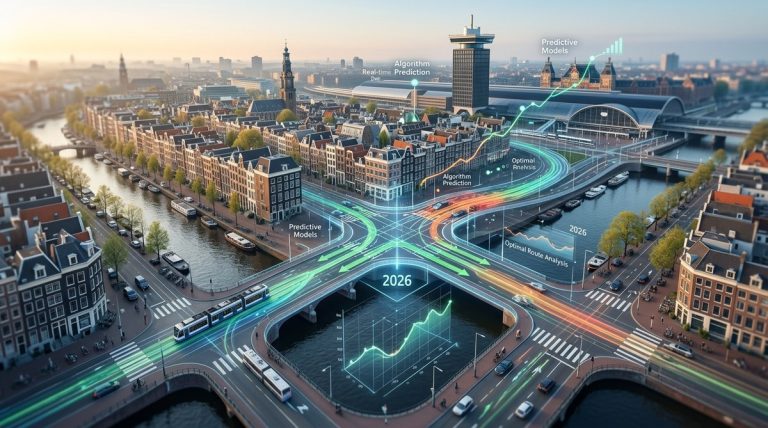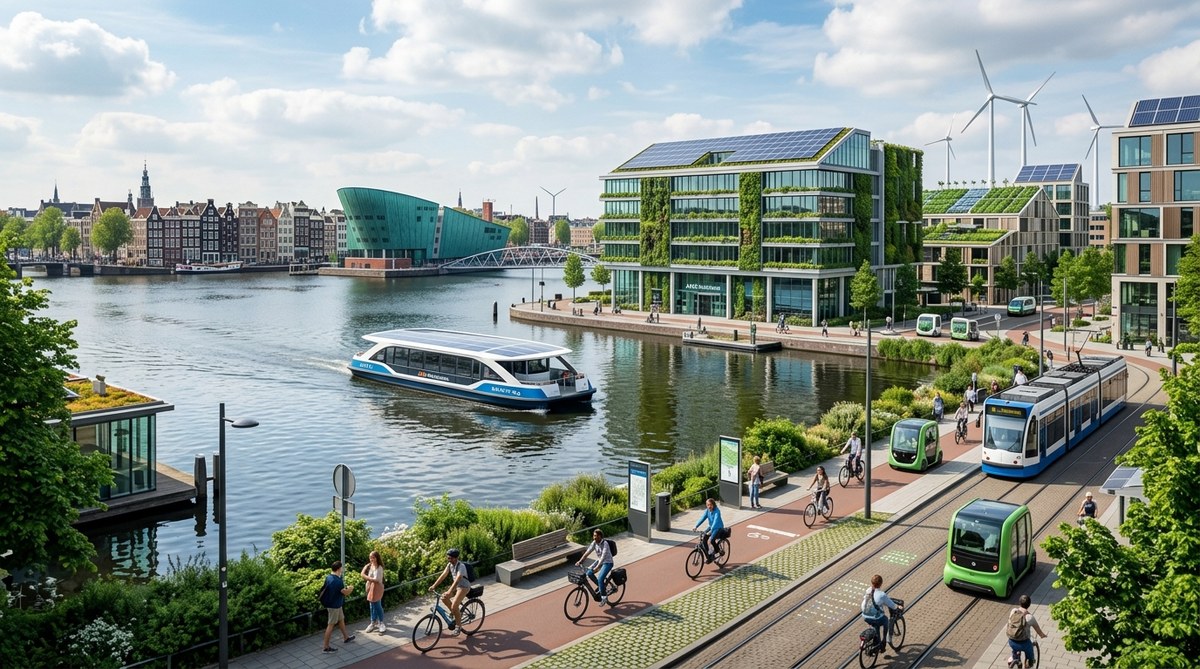
Amsterdam continues to set the pace in building a sustainable future. As a city renowned for its innovative spirit, it is harnessing cutting-edge urban technologies to address climate challenges, improve quality of life, and create a more resilient cityscape in 2026. From smart mobility systems to green infrastructure, Amsterdam’s approach offers a blueprint for other metropolises aiming to balance growth with environmental responsibility.
Amsterdam’s commitment to sustainable urban technologies in 2026 highlights a city that embraces innovation to combat climate change, enhance mobility, and foster community resilience. These initiatives demonstrate practical ways urban centres can evolve into smarter, greener spaces for all residents and visitors.
How Amsterdam Is Leading in Sustainable Urban Technologies in 2026
Amsterdam’s urban landscape is transforming rapidly thanks to a comprehensive embrace of innovative technologies. The city’s focus on sustainability is not only about reducing emissions but also about creating a liveable environment that nurtures community well-being. By integrating smart solutions across transportation, energy, waste management, and public spaces, Amsterdam exemplifies how urban centres can thrive in harmony with nature.
Smart Mobility and Transport Innovations
One of the most visible aspects of Amsterdam’s sustainable drive revolves around its mobility systems. The city has invested heavily in smart transportation infrastructure, making movement more efficient and environmentally friendly.
Key advancements include:
- Electric public transit: The city is expanding its electric tram and bus networks, significantly lowering carbon emissions.
- IoT-enabled traffic management: Sensors and data analytics are used to optimise traffic flow, reduce congestion, and cut down on unnecessary emissions.
- Shared mobility platforms: Initiatives like bike-share schemes and e-scooter rentals encourage residents and visitors to choose low-impact transport options.
Practical steps to replicate:
- Assess current transportation needs.
- Invest in electric infrastructure such as charging stations.
- Implement real-time traffic data systems to optimise routes.
Techniques and common mistakes
| Techniques | Mistakes to avoid |
|---|---|
| Use IoT sensors to monitor traffic | Overloading infrastructure without scalability |
| Promote shared electric mobility | Neglecting user accessibility and safety |
| Integrate real-time data analytics | Ignoring data privacy concerns |
“Implementing a smart traffic system requires careful planning and community engagement. When residents see the benefits of smoother commutes and cleaner air, buy-in becomes easier,” advises urban mobility expert Dr. Emily Carter.
Green Infrastructure and Energy Efficiency
Beyond transport, Amsterdam is pushing forward with green infrastructure initiatives that make the city more resilient to climate change.
Highlights include:
- Urban green spaces: Parks, green roofs, and urban forests help manage stormwater, reduce heat islands and improve air quality.
- Smart energy grids: The city has developed decentralised, adaptive energy networks that incorporate renewable sources such as wind and solar.
- Building retrofits: Ageing buildings are being upgraded with energy-efficient systems, insulation, and smart controls.
Practical processes:
- Identify areas vulnerable to flooding or heat stress.
- Design green infrastructures like rain gardens and green roofs.
- Upgrade existing buildings with smart energy management systems.
Techniques and mistakes
| Techniques | Mistakes to avoid |
|---|---|
| Use adaptive energy grids | Underestimating maintenance needs |
| Incorporate renewable energy sources | Relying solely on one energy type |
| Develop green corridors | Ignoring community needs and accessibility |
Circular Economy and Waste Reduction
Amsterdam’s circular economy initiatives are transforming waste into resources. The city promotes innovative waste management practices, turning construction debris and organic waste into new materials and energy.
Key strategies:
- Waste-to-resource programmes: Recycling and reusing materials at a city scale.
- Smart waste collection: IoT-enabled bins alert collection services when full, reducing unnecessary trips.
- Community participation: Educating residents about reducing waste and participating in local reuse projects.
Practical steps:
- Implement smart waste collection systems.
- Encourage community-led reuse and repair initiatives.
- Monitor waste streams to identify opportunities for circularity.
Techniques and mistakes
| Techniques | Mistakes to avoid |
|---|---|
| Use sensor-enabled waste bins | Over-reliance on technology without community buy-in |
| Promote local reuse hubs | Poor communication about recycling practices |
| Track waste data systematically | Ignoring informal waste sectors |
“A successful circular economy depends on community participation and smart logistics. When residents see tangible benefits, such as less waste and more local jobs, they become strong supporters,” notes sustainability analyst James Lee.
Data-Driven Urban Policy Making
Data and artificial intelligence are at the heart of Amsterdam’s urban planning in 2026. The city uses comprehensive data collection and analysis to inform policies, optimise services, and predict future needs.
Examples include:
- Real-time environmental monitoring.
- Predictive modelling for infrastructure maintenance.
- Citizen feedback platforms to gather community input.
Practical process:
- Deploy sensors across public spaces and infrastructure.
- Analyse data to identify patterns and priorities.
- Engage citizens via digital platforms for participatory decision-making.
Techniques and mistakes
| Techniques | Mistakes to avoid |
|---|---|
| Use AI for predictive maintenance | Overdependence on algorithms without human oversight |
| Collect data transparently | Failing to protect citizen privacy |
| Implement community feedback tools | Ignoring local insights in policy design |
“When data is combined with community engagement, city planners can craft policies that are both effective and inclusive,” explains urban data scientist Dr. Liam Foster.
How Citizens and Stakeholders Drive Innovation
The success of Amsterdam’s sustainable urban tech initiatives hinges on active citizen participation. Local residents, businesses, and organisations collaborate through public forums, pilot projects, and co-creation workshops.
Ways to get involved:
- Join local sustainability groups.
- Participate in city-led innovation labs.
- Share feedback on new public infrastructure projects.
Final thoughts
Amsterdam’s visionary approach in 2026 showcases a city that marries technology with community spirit. Its investments in sustainable mobility, green infrastructure, waste management, and data-driven planning serve as an inspiring example for urban centres seeking to thrive within planetary boundaries. By adopting similar strategies, other cities can turn environmental challenges into opportunities for innovation and growth.
A Sustainable Future Starts with Local Action
Implementing these technologies and practices requires commitment and collaboration. Whether you are an urban planner, researcher, or environmentally-conscious resident, your role in advancing sustainable city solutions is vital. By learning from Amsterdam’s pioneering efforts, you can help shape a greener, smarter, and more resilient future for your community.
About the Author