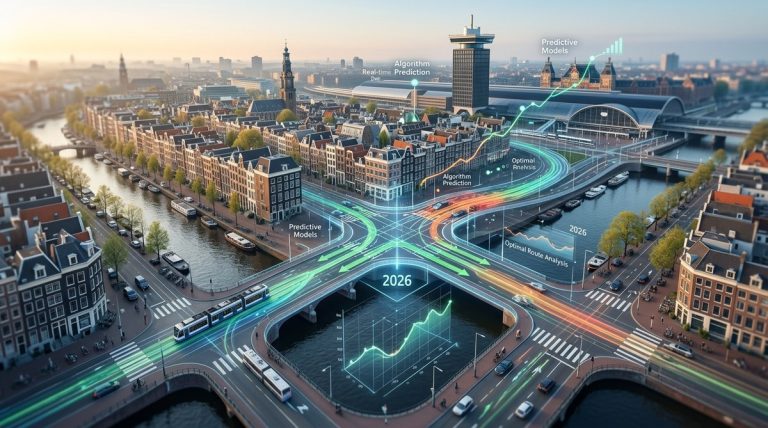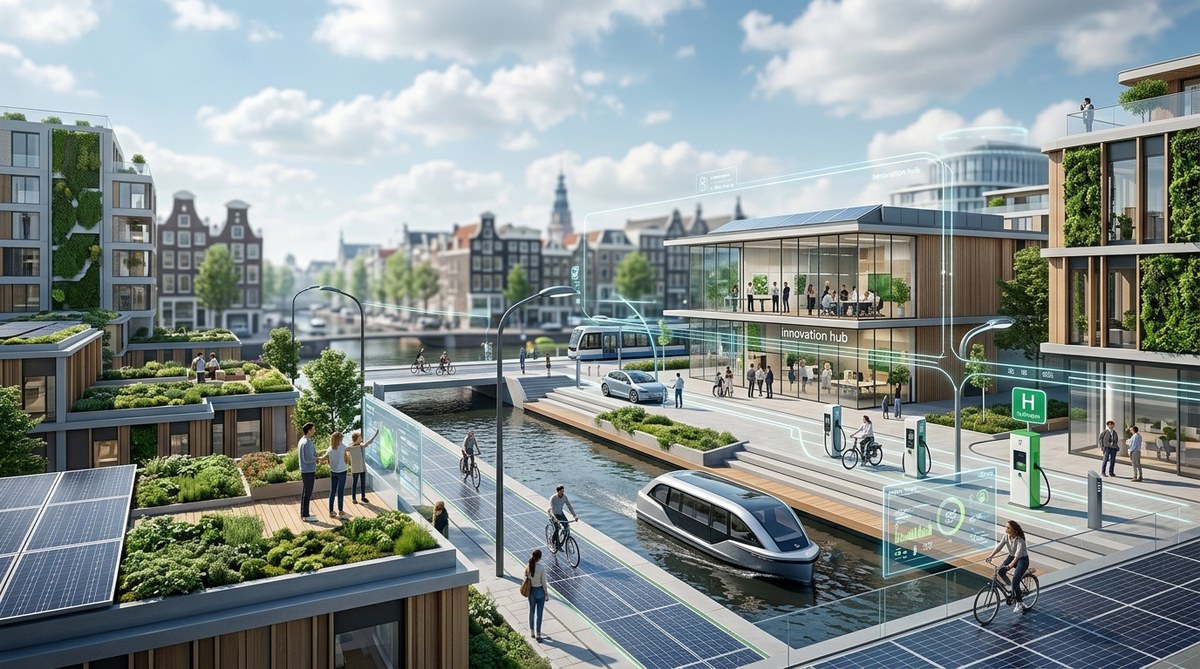
Amsterdam continues to set the pace in urban innovation, demonstrating how a city can marry history with cutting-edge technology to create a sustainable future. In 2026, Amsterdam’s urban innovation ecosystem is more vibrant and impactful than ever, powering smart solutions that enhance quality of life, reduce environmental impact, and foster inclusive growth. This thriving ecosystem offers valuable lessons for urban planners, sustainability professionals, and city officials across the United Kingdom and beyond.
The Heart of Amsterdam’s Urban Innovation Ecosystem in 2026
Amsterdam’s approach to urban innovation is rooted in collaboration. The city’s ecosystem is a dynamic network of government agencies, research institutions, start-ups, and community groups working together to address pressing urban challenges. The focus lies in designing solutions that are scalable, adaptable, and rooted in data-driven insights.
This collaborative spirit has led to the development of numerous projects that are transforming Amsterdam into a living laboratory for sustainable urban living. From mobility innovations to green infrastructure, the city is experimenting with a variety of technologies and strategies that can serve as models elsewhere.
Key Components Driving Amsterdam’s Sustainable Urban Growth
The success of Amsterdam’s ecosystem is built on several core pillars:
- Smart infrastructure and IoT integration: Embedding sensors and connected devices into city infrastructure to optimise traffic, energy use, and waste management.
- Data and artificial intelligence: Utilising big data analytics to inform policymaking and improve service delivery.
- Citizen engagement and co-creation: Involving residents in decision-making processes through digital platforms and participatory urban planning.
- Green and blue urban spaces: Expanding parks, waterways, and green roofs to improve air quality and biodiversity.
- Innovative mobility solutions: Promoting electric vehicles, shared transport, and micro-mobility options to cut emissions and reduce congestion.
Practical steps for cities seeking to emulate Amsterdam’s success:
- Build cross-sector partnerships: Engage government, academia, industry, and citizens early in project planning.
- Invest in digital infrastructure: Prioritise IoT networks and data platforms to enable real-time insights.
- Foster innovation hubs: Create dedicated spaces where start-ups and stakeholders can test new urban solutions.
- Develop clear policies and incentives: Support sustainable practices through regulation and financial benefits.
- Monitor and adapt: Establish feedback loops to continually optimise projects based on data and community input.
Techniques and common pitfalls
| Technique | Mistake to avoid |
|---|---|
| Pilot projects with stakeholder involvement | Overlooking community needs can lead to resistance |
| Use open data platforms | Privacy concerns may limit data sharing |
| Prioritise green infrastructure | Underestimating maintenance costs can undermine longevity |
| Invest in scalable IoT solutions | Overcomplicating systems reduces reliability |
How Amsterdam Uses Technology to Drive Sustainability
The city’s deployment of IoT sensors across neighbourhoods enables real-time tracking of energy consumption, traffic flow, and air quality. This data informs targeted interventions, like adjusting street lighting to reduce energy waste or rerouting traffic to ease congestion.
The integration of artificial intelligence algorithms further enhances predictive maintenance of infrastructure and optimises resource allocation. These efforts are supported by a robust digital ecosystem that encourages innovation and continuous learning.
Expert advice
“Amsterdam’s success lies in its ability to connect data, technology, and community input seamlessly. Cities aiming to replicate this model must prioritise transparency, inclusiveness, and adaptability.” — Dr. Emma Clarke, urban innovation researcher
The importance of citizen engagement
Involving residents in co-creating solutions fosters trust and ensures that innovations address real needs. Amsterdam’s digital platforms enable feedback and participation, making the city more responsive and resilient.
Smoothing the Path from Innovation to Implementation
Translating innovative ideas into tangible urban improvements requires a clear process. Here are three steps to guide this journey:
- Identify key urban challenges: Focus on issues with high impact and community support.
- Develop and test prototypes: Use pilot projects to refine solutions and gather data.
- Scale up successful initiatives: Secure funding and policy support to expand effective solutions citywide.
Common challenges
- Resistance to change from local stakeholders
- Insufficient funding for scaling projects
- Fragmented data systems that hinder integration
Practical tips
- Engage communities early to build trust.
- Seek partnerships with private sector innovators.
- Ensure data standards are consistent across projects.
Techniques for Sustainable Urban Innovation
| Technique | Mistake to avoid |
|---|---|
| Implementing isolated pilot projects | Lack of integration leads to siloed solutions |
| Relying solely on technology | Ignoring social and behavioural factors reduces effectiveness |
| Overlooking long-term maintenance | Short-term gains without planning for sustainability can cause failures |
Amsterdam’s Impact on Sustainable Growth and Future Outlook
The city’s ecosystem not only addresses immediate urban challenges but also sets the foundation for long-term sustainability. Initiatives like the Circular Innovation Programme promote resource efficiency and waste reduction, aligning with broader EU goals.
Looking ahead, Amsterdam aims to become entirely climate-neutral by 2050, with a focus on renewable energy integration, urban farming, and resilient infrastructure. The city’s emphasis on continuous innovation and community participation makes this ambitious goal attainable.
Final Thoughts for Urban Innovators
The Amsterdam urban innovation ecosystem in 2026 highlights the power of collaboration, smart technology, and community engagement in shaping sustainable cities. For those in the UK seeking to enhance their urban environments, adopting similar principles can accelerate progress and improve residents’ quality of life.
Investing in digital infrastructure, fostering partnerships, and listening to citizens are essential steps. Cities that embrace these strategies will be better equipped to navigate the complexities of urban growth while ensuring a healthier, more equitable future.
Building Smarter Cities for Tomorrow
Applying lessons from Amsterdam’s experience can transform urban landscapes across the UK. It’s about creating adaptable systems that respond to changing needs, fostering innovation at every level, and involving communities in shaping their environments. With a clear vision and collaborative effort, sustainable urban living is within reach for every city aiming to thrive in 2026 and beyond.
About the Author