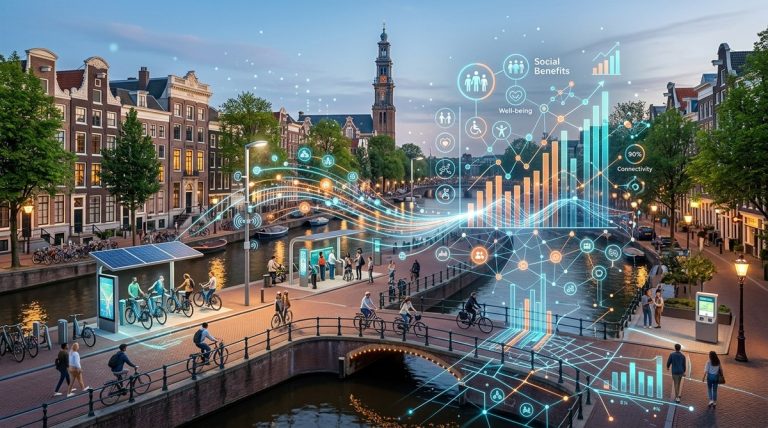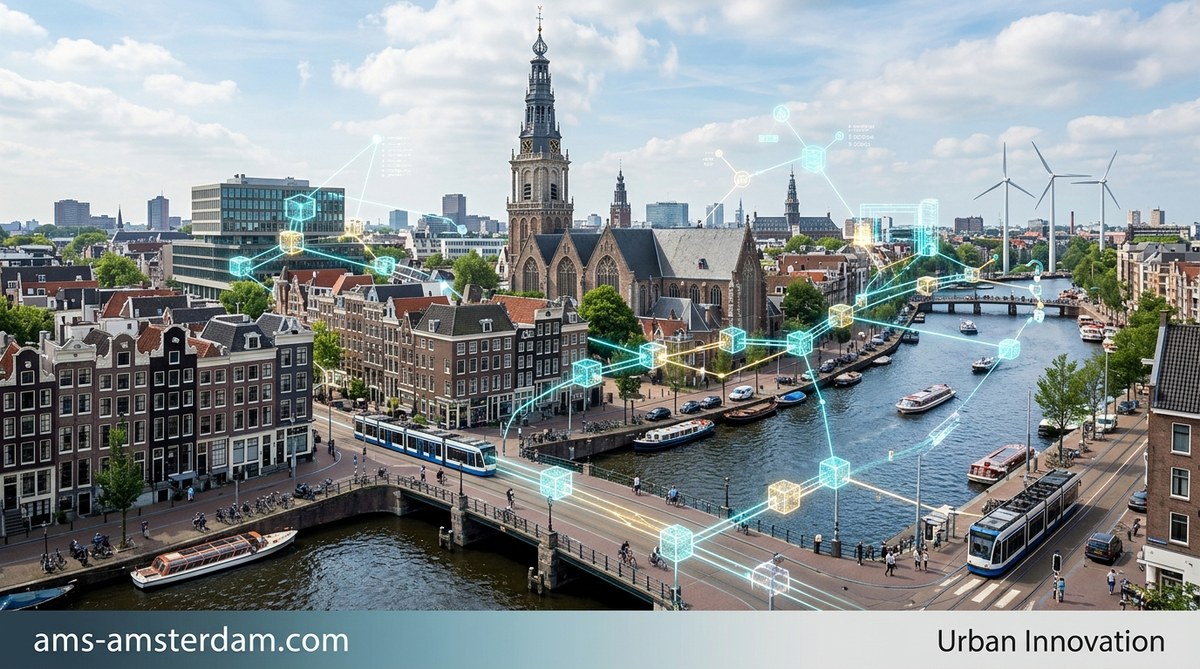
Amsterdam is making waves in urban innovation by integrating blockchain technology into its city management. As one of Europe’s most forward-thinking capitals, Amsterdam is not just focusing on traditional smart city solutions but is actively leveraging blockchain to enhance transparency, streamline services, and foster sustainable growth. This approach highlights how blockchain for smart cities can be a game-changer for urban centres aiming to become more efficient, inclusive, and resilient in 2026.
Amsterdam is pioneering blockchain for smart cities by improving transparency, enabling data sharing, and supporting sustainable urban development through innovative digital solutions.
How blockchain is transforming urban management in Amsterdam
Amsterdam’s embrace of blockchain technology is rooted in its desire to create a more transparent and efficient urban environment. Blockchain, often associated with cryptocurrencies, offers much more than digital money. Its core features, such as decentralisation, immutability, and security, make it ideal for managing complex city operations. From tracking energy consumption to verifying land titles, blockchain’s potential in urban governance is vast.
The city is exploring various use cases, including smart contracts for public service delivery, decentralised identity management for residents, and transparent voting systems. These initiatives aim to reduce bureaucracy, eliminate fraud, and foster trust between citizens and municipal authorities. By adopting blockchain, Amsterdam is setting a precedent for how cities in the UK and beyond can modernise their infrastructure.
Practical steps for integrating blockchain into urban systems
Implementing blockchain in a metropolitan setting involves several key stages:
-
Assess needs and identify use cases: Determine which city processes can benefit from decentralised and transparent solutions. For instance, waste management, energy trading, or land registry are common starting points.
-
Partner with technology providers and research institutions: Collaborate with blockchain developers and academic bodies to tailor solutions that suit local requirements. Amsterdam works closely with universities and startups to innovate responsibly.
-
Pilot projects and evaluate outcomes: Launch small-scale pilots to test blockchain applications, gather data, and refine the approach. Successful pilots can then be scaled up across the city.
Key benefits of blockchain for smart cities
- Increased transparency in public transactions
- Secure and tamper-proof record-keeping
- Enhanced citizen engagement through decentralised platforms
- Streamlined administrative processes
- Better data sharing among agencies
Common pitfalls to avoid
| Technique | Mistake to avoid |
|---|---|
| Rushing pilot projects | Skipping thorough testing can lead to security vulnerabilities |
| Overcomplicating solutions | Complex systems are harder to manage and scale |
| Ignoring user experience | Poorly designed interfaces hinder adoption by residents and officials |
| Neglecting legal frameworks | Ensure compliance with UK and EU data laws |
“Blockchain’s real power in urban management lies in its ability to foster trust and transparency, essential elements for modern cities aiming for sustainable growth.” — Urban technology expert
Amsterdam’s real-world blockchain initiatives
Amsterdam has already launched several notable projects that showcase the practical application of blockchain for smart cities:
-
Energy trading platforms: Using decentralised ledgers, residents can buy and sell renewable energy directly, encouraging local sustainability efforts.
-
Land registry: Blockchain ensures transparent and tamper-proof ownership records, reducing fraud and simplifying transactions.
-
Citizen identification: Decentralised digital identities give residents control over their personal data while enabling access to city services.
-
Waste management tracking: Blockchain certifies waste collection and recycling processes, improving accountability and efficiency.
These projects demonstrate how blockchain can address specific urban challenges while fostering innovation.
Collaboration and community engagement in blockchain projects
Successful integration of blockchain into city systems depends on broad stakeholder participation. Amsterdam actively involves residents, businesses, and civic organisations through workshops and consultation forums.
By involving citizens in decision-making, the city builds trust and encourages adoption. For example, blockchain-based voting platforms have been piloted to enhance electoral transparency. The involvement of local universities ensures research-backed solutions and continuous innovation.
The UK can learn from Amsterdam’s inclusive approach, ensuring that blockchain initiatives are user-friendly and meet community needs.
Embracing future opportunities with blockchain in urban development
Looking ahead, blockchain’s role in urban planning is set to expand. Emerging trends include:
-
Decentralised data sharing: Facilitating real-time, secure data exchange among agencies and residents.
-
Sustainable resource management: Using blockchain to track and optimise energy, water, and waste systems.
-
Smart contracts for urban services: Automating maintenance, infrastructure upgrades, and service payments.
-
Tokenised assets: Converting city assets into digital tokens for easier investment and management.
How to get started in your city
-
Identify key challenges: Recognise areas where transparency and efficiency could be improved.
-
Build cross-sector partnerships: Collaborate with tech firms, academia, and civic groups.
-
Start small with pilot projects: Test ideas in controlled environments before scaling.
| Mistake | Technique to avoid |
|---|---|
| Overpromising outcomes | Set realistic goals and communicate clearly |
| Underestimating legal and privacy issues | Conduct thorough legal reviews and impact assessments |
| Ignoring training needs | Provide education for staff and residents |
| Failing to plan for scalability | Design solutions with growth in mind |
Final thoughts: shaping resilient cities through blockchain
Amsterdam’s journey demonstrates that blockchain technology can be a powerful tool for creating smarter, more transparent cities. By fostering trust, improving data management, and enabling sustainable practices, blockchain for smart cities has the potential to revolutionise urban living.
For cities in the UK considering similar paths, prioritising community involvement and building robust partnerships will be key. The future of urban management lies in smart, decentralised systems that put residents at the centre.
As you look towards your city’s development, consider how blockchain could support your goals for transparency, efficiency, and sustainability. Starting with small, well-planned pilot projects can pave the way for meaningful transformation.
“Implementing blockchain in urban systems is not just about technology. It’s about building trust, empowering citizens, and creating resilient communities.” — Urban innovation strategist
About the Author