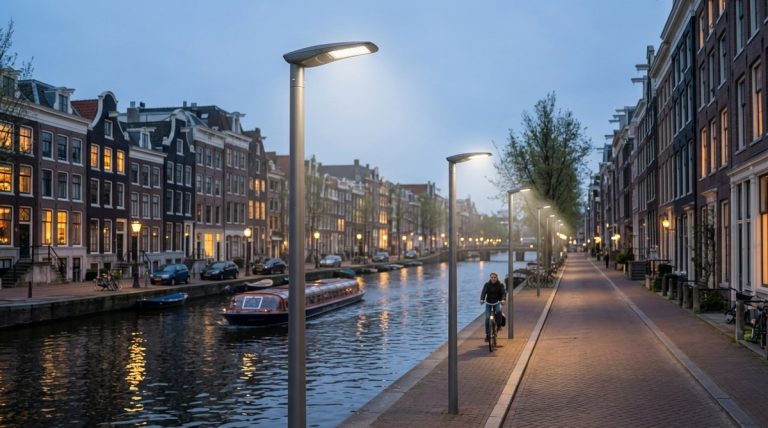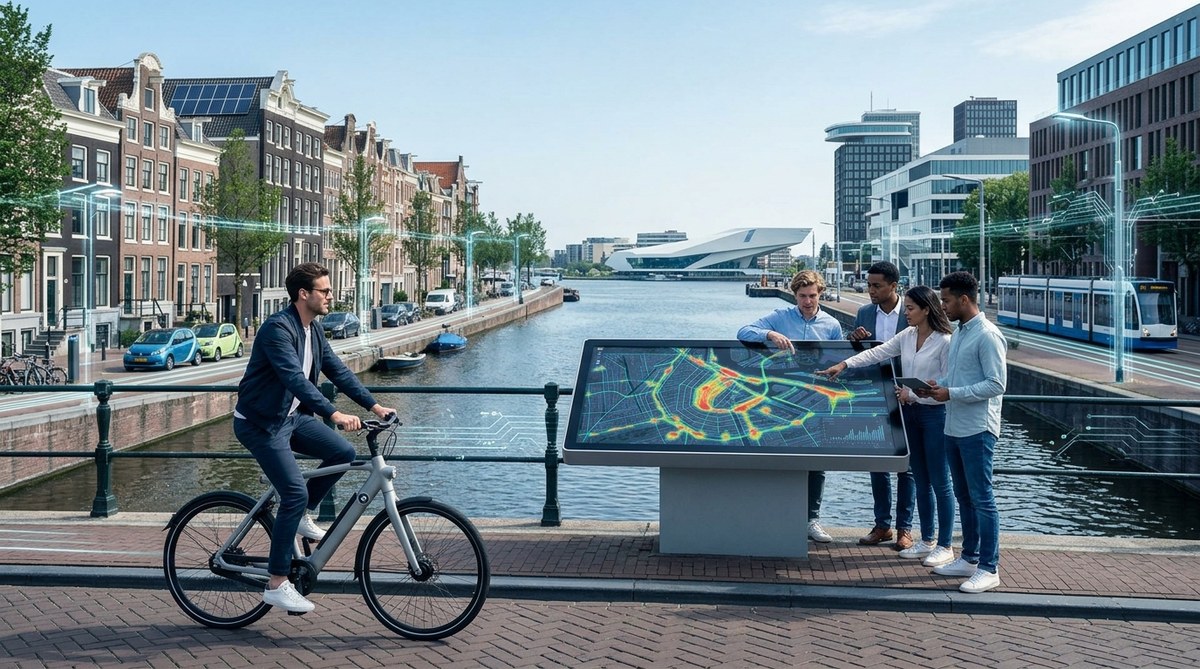
Amsterdam is a city known for its picturesque canals, vibrant culture, and innovative spirit. In 2026, it is also becoming a trailblazer in the use of artificial intelligence and data in urban planning. These technologies are not just buzzwords but practical tools that are helping policymakers, researchers, and urban planners craft smarter, more sustainable cityscapes. From managing traffic flow to enhancing green spaces, data and AI are playing a pivotal role in shaping the future of Amsterdam.
How AI and data are reshaping Amsterdam’s cityscape
Amsterdam’s approach to urban development has always been forward-thinking. Now, with the integration of AI and data, the city is entering a new era of metropolitan governance. These technologies enable real-time insights, predictive analytics, and automation, making city management more responsive and efficient.
Data-driven decision making in urban planning
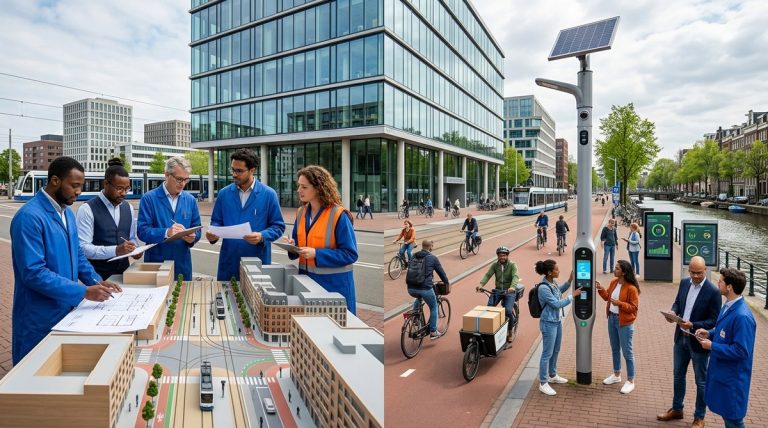
Data collection in Amsterdam has become more sophisticated thanks to sensors, satellite imagery, and open data initiatives. Urban planners analyse this data to understand traffic patterns, air quality, energy consumption, and even social behaviours. This enables evidence-based decisions that are more targeted and effective.
AI tools enhancing city services
Artificial intelligence algorithms help optimise city operations. For example, AI models forecast traffic congestion and automatically adjust traffic lights to reduce jams. Similarly, predictive maintenance tools monitor infrastructure health, preventing costly failures before they happen. These smart systems not only improve service delivery but also contribute to sustainability efforts.
The role of citizen participation
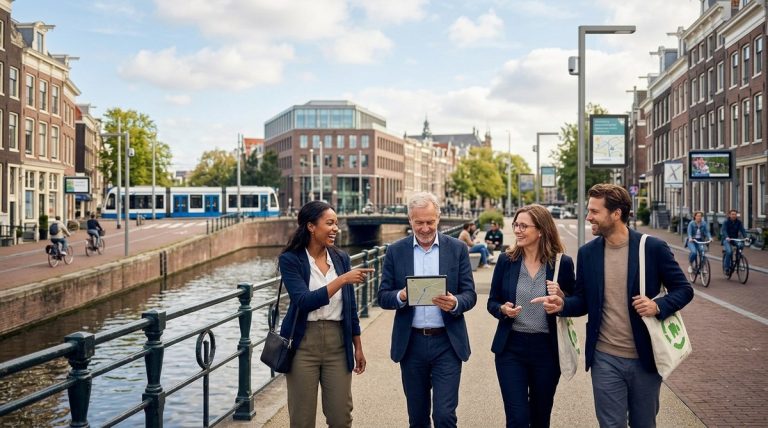
Amsterdam’s digital platforms now incorporate AI-driven chatbots and data portals that involve residents directly in urban planning. Citizens can share feedback, report issues, and participate in consultations through intuitive interfaces. AI analyses these inputs to identify common themes, ensuring that community voices shape development priorities.
Practical steps for implementing AI and data in urban planning
For cities looking to adopt similar approaches, a clear process can guide implementation. Here are three steps that Amsterdam has found effective:
-
Data collection and integration
Start by gathering diverse data sources. Use sensors, open data portals and satellite imagery to build comprehensive datasets. Integrate these into central platforms for easy analysis. -
Develop AI models tailored to local needs
Work with data scientists and urban experts to develop algorithms suited to specific challenges. Whether it is traffic management or green space planning, customise models to reflect Amsterdam’s unique context. -
Deploy and iterate
Implement AI tools incrementally, starting with pilot projects. Monitor outcomes, gather feedback, and refine models regularly. This iterative approach ensures solutions stay relevant and effective.
Key techniques and pitfalls
Here’s a quick overview of common techniques used and mistakes to avoid:
| Technique | Mistake to avoid |
|---|---|
| Predictive analytics | Relying on limited data sets without validation |
| Real-time sensor networks | Overlooking data privacy concerns |
| Machine learning models | Ignoring bias in datasets |
| Digital citizen engagement tools | Underestimating digital literacy barriers |
Expert advice on AI in urban planning
“Successful integration of AI in city management depends on transparent processes and continuous community involvement,” explains Dr. Laura Simmons, urban AI researcher. “It’s about creating systems that serve both the city’s needs and its residents.”
Innovation at the heart of Amsterdam’s urban future
Amsterdam’s journey shows that harnessing data and AI is not merely about technology but about rethinking how cities function. These innovations lead to tangible benefits like reduced congestion, cleaner air, and more inclusive urban spaces.
Case studies shaping the city
- Smart Traffic Control: The city’s AI-powered traffic lights adapt dynamically to traffic flow, cutting congestion by up to 20 percent during peak hours.
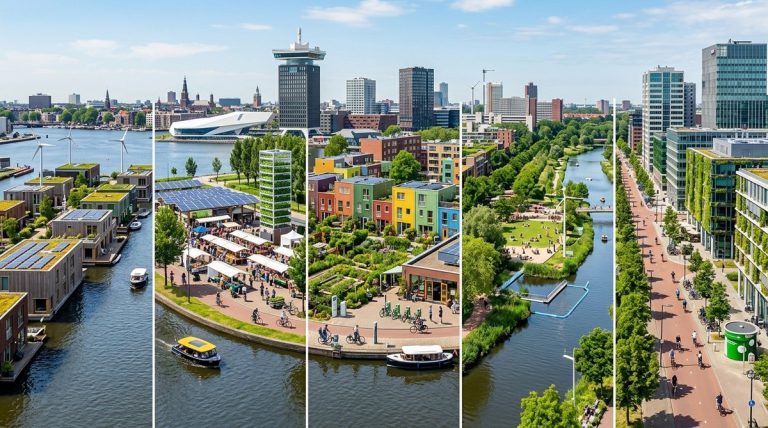
- Green Space Optimisation: Data analysis helps identify underused parks and suggests new green corridors, improving air quality and residents’ wellbeing.
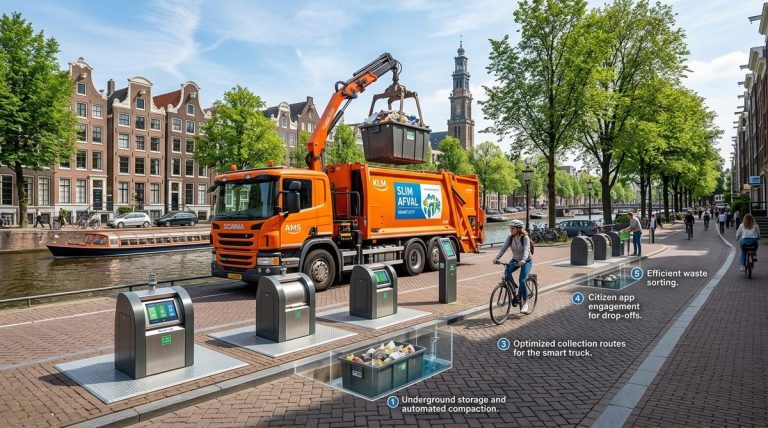
- Waste Management: Sensors track waste bins, enabling optimised collection routes and fewer overflowing bins.
Challenges and opportunities
Despite these advances, challenges remain. Data privacy concerns, digital divides, and the need for ongoing investment are real issues. However, they also open opportunities for innovative governance models and community-led solutions.
How to get started with data and AI in your city
If you are involved in urban planning or policymaking, consider these practical steps:
- Foster collaborations between data scientists, urban planners, and residents.
- Build open data platforms to encourage transparency and innovation.
- Invest in training for staff to understand and manage AI tools.
- Prioritise ethical considerations, especially privacy and bias.
- Pilot small projects and scale successful solutions gradually.
Envisioning Amsterdam’s future with AI
Looking ahead, AI and data will continue to evolve as vital city management tools. They promise to make Amsterdam more adaptable, sustainable and resilient. By integrating these technologies thoughtfully, the city can maintain its charm while embracing the demands of modern urban life.
How you can contribute to urban innovation
Urban development is a collective effort. Residents, researchers, and policymakers all have roles to play. Stay informed about new projects, participate in community consultations and advocate for smart, data-driven solutions. Your involvement helps ensure Amsterdam remains a city that works for everyone.
Final thoughts: building smarter cities with data and AI
Amsterdam’s innovative use of AI and data-driven approaches offers a blueprint for other cities. By focusing on transparency, community engagement and continual learning, urban planners can craft environments that are more liveable, sustainable and future-proof.
Harnessing these tools requires commitment and collaboration. But the rewards — cleaner air, less congestion, more inclusive spaces — are well worth the effort. As cities worldwide look to the future, Amsterdam’s example shows that technology and human ingenuity can work hand in hand to create urban environments that thrive.
About the Author